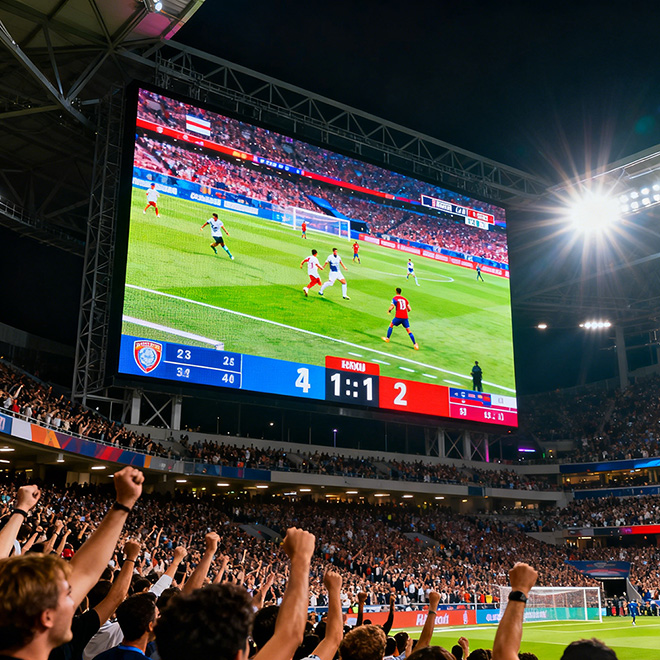
TRANSPORTATION
Transportation LED Display Solutions
Plan passenger information and roadside systems around the people who read them, the data that drives each message, and the operating conditions at the site.
Find the right transport display application
Airports, roads, buses and rail networks each have distinct viewing conditions, data owners and service demands. Choose a setting to explore the information task and the planning questions it brings.
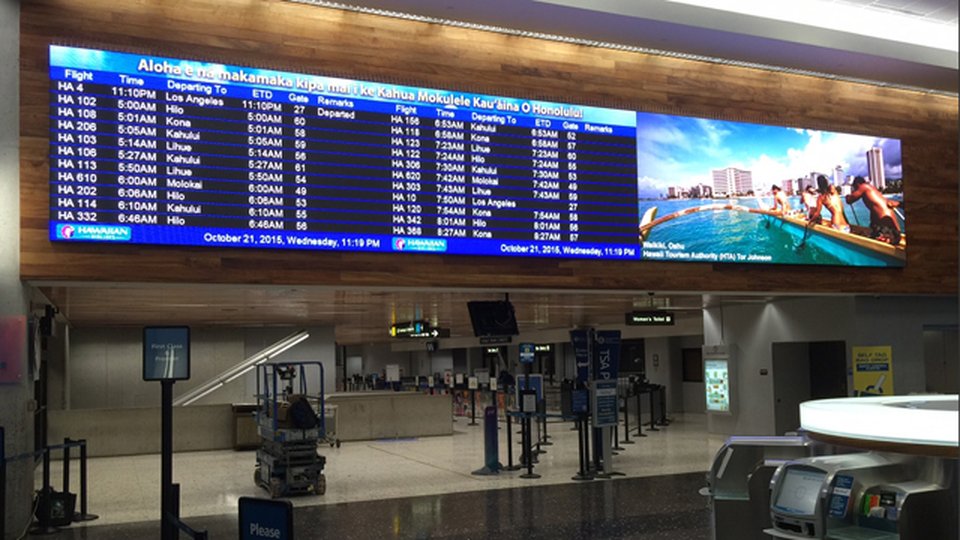
Airport & passenger information
Gate changes, flight status and wayfinding compete for attention across a passenger journey. Plan message hierarchy, update ownership and readable viewing zones.
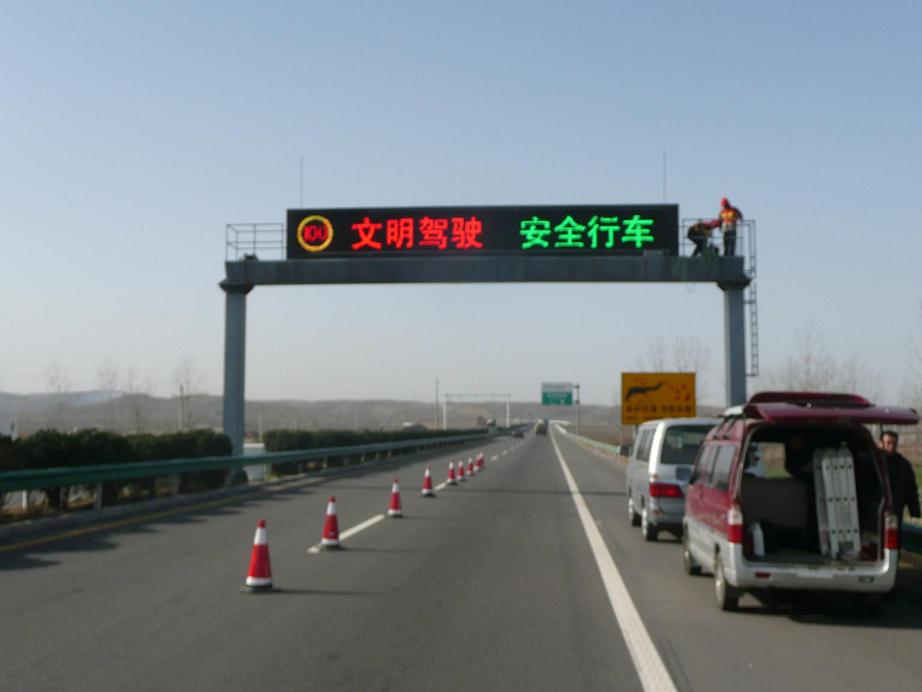
Road & traffic management
Roadside systems must communicate at speed and at the right decision point. Consider approach angle, available stopping distance, ambient light and safe maintenance access.
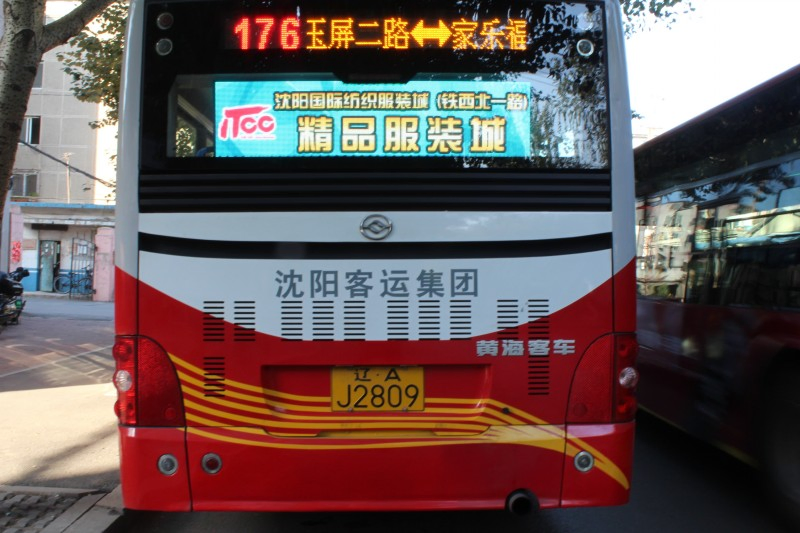
Bus & public transit
Onboard and stop displays make route, destination and disruption information easier to act on. Account for vehicle power, vibration, route-data updates and viewing distance.
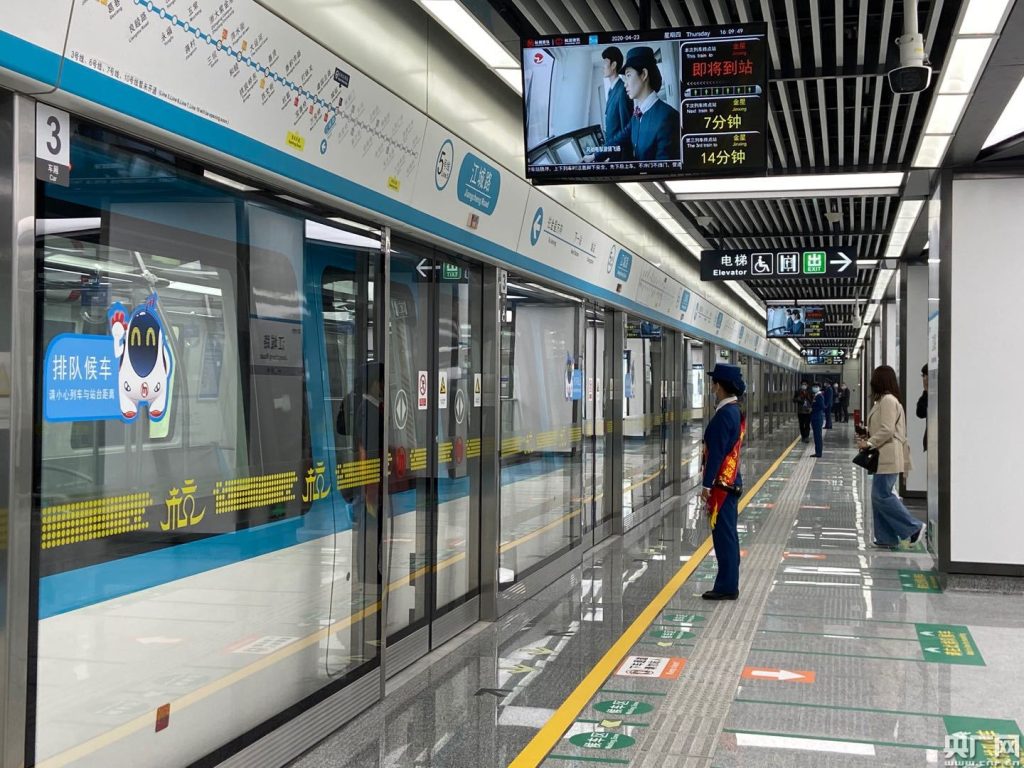
Metro & station systems
Station and platform screens support wayfinding, arrivals and service changes. Coordinate content sources, operating responsibilities and visibility across changing passenger flows.
Start with the passenger decision
A transport display should answer a specific question at the moment someone needs to act: which gate, which lane, what traffic condition, which route or when the next service arrives. Define that decision first, then confirm the trusted data source, who can publish changes and what fallback message is needed when data is unavailable.
Airport & passenger information
Airports combine high passenger volumes with frequent updates. Screen placement and content hierarchy should help people find the next action without obscuring safety or operational messages.
Airport LED Display
Coordinate terminal wayfinding, service notices and passenger-facing information from entrance to gate.
View Airport LED DisplayFlight Information Display
Plan source integration, update responsibility, gate and flight changes, viewing distances and backup messaging.
View Flight Information DisplayRoad, toll and traffic
Road and toll displays need to be understood at approach speed. Message length, contrast, viewing angle, mounting position and maintenance access all affect how reliably drivers can respond.
ETC Lanes
Show lane availability, payment method or toll status early enough for drivers to choose a lane safely.
View ETC LanesSolar Traffic Sign
Assess solar exposure, seasonal energy availability, battery autonomy and service access for off-grid locations.
View Solar Traffic SignTraffic LED Display
Present changing traffic, diversion or incident messages from an authorized operations workflow.
View Traffic LED DisplayRadar Warning Sign
Pair speed feedback with appropriate site placement, visibility and a clear maintenance and calibration plan.
View Radar Warning SignElectronic Traffic Sign
Define who can issue instructions, how changes are approved and how the sign behaves during a network interruption.
View Electronic Traffic SignLED Highway Sign
Design for long-distance recognition, viewing angle, approach speed and the roadside structure.
View LED Highway SignLED Road Sign
Match the sign format and message to local road conditions, decision points and responsible authority.
View LED Road SignVariable Message Signs
Plan networked VMS operations across multiple locations, including message governance and system monitoring.
View Variable Message SignsVariable Message Sign
Specify a single VMS location around its message types, data connection, mounting and maintenance approach.
View Variable Message SignBus, metro & station systems
Transit information moves between vehicles, stops, platforms and control centers. Keep route identity and service updates consistent while accounting for different power, mounting, connectivity and viewing conditions.
Bus LED Display
Display route, destination and stop information in a format riders can read from the platform or street; align updates with vehicle and route data.
View Bus LED DisplayMetro LED Display
Coordinate platform arrivals, wayfinding and service changes with station sightlines, passenger flow and the operator's information systems.
View Metro LED DisplayPlan the system, not only the screen
A robust transportation proposal connects the display to its data, control, power, mounting and maintenance plan. Use the criteria below to identify dependencies early and to compare complete system scopes.
Audience & viewing geometry
Record typical and closest viewing positions, angles, audience movement and the smallest text or symbol that must be read. These inputs influence screen location, content density and display resolution.
Message & data ownership
List message types, source systems, update frequency, approval roles and the priority order for safety, service and promotional content. Agree what remains visible if a feed is delayed or unavailable.
Environment & infrastructure
Document indoor or outdoor exposure, ambient light, mounting structure, power, network paths, access equipment and environmental conditions. Confirm site constraints with the owner and responsible authority.
Operations & service
Define monitoring, fault escalation, inspection access, spare parts, planned maintenance windows and handover responsibilities. Consider the cost and disruption of reaching each display after installation.
Connected operation from source to sign
Transport systems rely on coordinated responsibilities. An installation may connect an information source, an operator or control platform, display hardware and a service team. Confirm where each boundary sits before finalizing the equipment and delivery scope.
Information source
Identify the authoritative source for schedules, traffic states, lane status or service alerts. Agree data format, update cadence, ownership and escalation when the source is missing or stale.
Control & publishing
Clarify which team creates, reviews and publishes messages, what permissions apply and how urgent changes are issued. Test the complete path from approved information to the visible sign.
Display & maintenance
Set expectations for local monitoring, fault reporting, safe physical access and maintenance response. Include commissioning and operator training so the system remains usable after handover.
Transportation display FAQs
What information is needed to specify a transport LED display?
Start with the intended message, audience and viewing distance, site conditions, data and control source, operating hours, power and network availability, installation constraints and service plan.
How are airport and roadside displays different?
Airport displays usually support passengers across indoor circulation spaces with frequent service updates. Roadside displays are viewed at approach speed and need to account for sightlines, message length, road placement and safe maintenance access.
What should a traffic sign show if its data connection fails?
Define a safe, approved fallback with the responsible transport authority. The display behavior should be agreed and tested as part of the operational and commissioning requirements.
Can one control platform manage different transport display types?
It may, depending on interfaces, data sources, permissions and operator workflows. Map those requirements first and verify compatibility and responsibilities in the project design.
What should be included in a transportation display proposal?
Ask for the display and processing scope, control and data assumptions, structure and power boundaries, installation and commissioning plan, training, maintenance access, service arrangements and warranty terms.
Need a transportation display plan?
Share the location, viewing conditions, message sources, operating workflow and maintenance constraints. Highcolor can help translate those inputs into a coordinated display and control scope.
Discuss Your Project