TRANSPORTATION SOLUTIONS
LED Highway Sign
Specify highway signs around the driver’s approach: usable reading time, approved message formats, sight lines, gantry loads and safe maintenance access.
Explore Transportation SolutionsHighway LED signs must communicate before drivers pass the decision point
Treat the sign as roadside infrastructure
Prepare a useful site brief
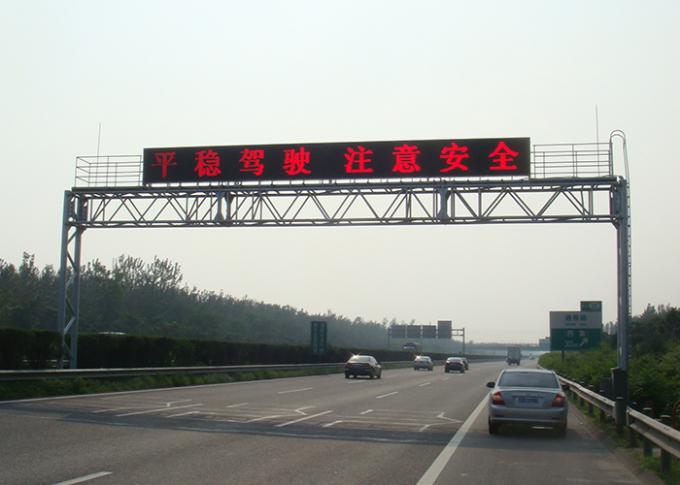
The driver’s view is the design reference
Assess the display from the approach path, at realistic viewing distances and angles. Check whether the message is easy to recognize and read before a driver reaches the point where a decision is required.
Start with the road decision, not the pixel pitch
The best display is the one that presents the right approved information where drivers can safely use it. Map the sign to a specific decision point and confirm visibility from the relevant lanes before fixing its size or pixel configuration.
Approach distance and viewing time
Check the unobstructed sight line, horizontal viewing angle and time available to read the message at the posted operating speed.
Message purpose and road context
Map lane changes, merges, exits and recurring congestion. Keep wording concise and use only formats approved for the jurisdiction.
Coordinate the gantry, power and maintenance plan
The display is only one part of a highway installation. Structural capacity, foundations, electrical distribution, network routing, access and traffic management must work together and satisfy local authority review.
Verify support structure, foundations, wind loading and cabinet weight with the responsible structural engineer.
Plan lifting, lane closures, electrical isolation and future service access before selecting cabinet layout.
Specify protected power and data routes, environmental sealing, surge protection and a safe response to faults.
Connect every sign to a controlled operating workflow
A corridor system should make it clear which sign is being updated, who approved the message and what happens when the data feed or communications link fails. Define operator roles, sign IDs, message priorities and fallback behavior with the traffic operations team.
01
Use a location and lane map to identify each sign and its approved message set.
02
Record operator permissions, message approvals, change history and time-based expiry.
03
Define what the sign displays on loss of network, invalid data or a hardware fault.
Key decisions for a highway LED sign
Legibility at road speed
Set the usable viewing distance and angle from lane geometry, vehicle speed, approach slope and surrounding light. Specify character height, contrast and message length against the authority’s approved standards.
Display and environmental conditions
Match pixel configuration and display dimensions to viewing distance and content. Define daylight output, automatic brightness response, night limits, weather sealing and service access for the local exposure.
Control and data interfaces
Document the control-room platform, communications path, sign addressing, message formats, permissions, audit trail, data freshness and safe fallback when feeds or networks fail.
Structure and lifecycle access
Coordinate the display with gantry capacity, foundations, wind loads, power distribution, lifting plans and lane closures. Include replaceable components, inspection routes and maintenance windows.
Test the real driver view and the full operating chain
Acceptance should cover the intended approach and operating conditions, plus the handoff from control room to sign. Assess daylight, night operation, glare, viewing angle, text legibility, brightness transitions, communications recovery and the approved fallback message.
Read from the approach
Review representative messages from the relevant lanes and distance. Confirm drivers can recognize, read and act without relying on close-up inspection.
Exercise faults and operating changes
Test scheduled brightness, loss and restoration of communications, message expiry, operator permissions and recovery after power interruption.
What to define before procurement
Operational brief
Describe the corridor, decision points, target road users, message purpose, sign locations and representative approved content. Confirm who owns content approval and day-to-day operation.
Technical and interface scope
Request dimensional drawings, environmental limits, structural loads, power and network needs, control protocol, cabinet access, commissioning plan and acceptance criteria. Mark all supply and integration boundaries.
Delivery and lifecycle plan
Align design approval, fabrication, civil works, traffic management and installation windows. Include operator training, spares, warranty response, inspection frequency and long-term maintenance responsibility.
Explore related transportation displays
Traffic LED Display
Explore LED displays used across road traffic and transport operations.
Explore solutionElectronic Traffic Sign
Review electronic sign applications for road guidance and traffic information.
Explore solutionVariable Message Signs
Compare variable message sign requirements for dynamic corridor communication.
Explore solutionFrequently asked questions
How is the size of a highway LED sign determined?
Size follows the message purpose, road speed, viewing distance, lane coverage, mounting position and local standards. A site survey and authority review should confirm the final dimensions and character scale.
Can the sign display travel times or incident messages?
It can when the control platform, data source, message format and approval workflow are designed for that use. Define data ownership, update priority, message expiry and a safe response to stale or unavailable data.
How do you test legibility before handover?
Review approved messages from the intended driver approach, at representative viewing angles and operating conditions. Test day and night brightness, glare, network interruption and the control-room-to-sign update path.
What must be approved before installing a gantry sign?
The responsible road authority and project engineers determine required permits and reviews. Typical coordination includes location and sight-line approval, structural calculations, foundations, electrical safety, traffic management and maintenance access.
Plan a highway sign around the complete operating context
Share the location, road layout, approach speed, message purpose, mounting conditions and control-system requirements to begin a project review.
Contact Highcolor