ROADWAY INFORMATION SYSTEMS
Traffic LED Display
Present timely traffic information that drivers can interpret on approach and traffic teams can manage with clear authority and fallback rules.
Explore Transportation Solutions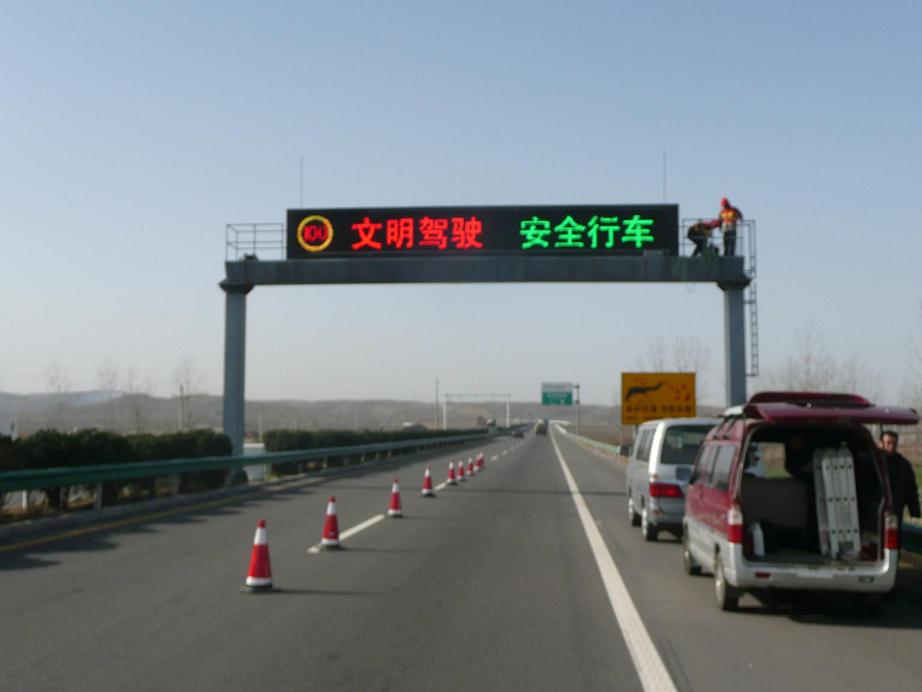
Design messages for the real road approach
Drivers have limited time to read while monitoring lane markings, signs and other traffic. Keep each message focused on a clear action, use authority-approved wording and symbols, and test legibility from actual approach lanes and distances.
Define the operational message before selecting the display
A traffic LED display may communicate congestion, incidents, lane availability, travel-time information or other authority-approved guidance. For each message, document its source, trigger, intended audience, priority, expiry and who can authorize it. Keep advisory information distinct from regulatory instructions.
Primary check
List message types, triggers, priorities and approved wording.
System checks
Separate advisory content from regulatory signs and emergency instructions.
Position the sign before the driver's decision point
A sign is useful only if it can be read before a driver must change speed, choose a lane or take an exit. Review approach geometry, speed, sight distance, horizontal and vertical viewing angles, competing signs and the available time to respond.
Survey approach lanes, sight distance, speed and competing signs.
Use concise messages and symbols approved for the jurisdiction.
Assess daytime, nighttime and adverse-weather visibility.
Connect traffic data to authorized message control
A traffic management center may operate signs across a network. Map device identifiers to locations, define central and local control permissions, record message changes and make status visible to operators. Specify how the sign behaves if data, communications or a controller becomes unavailable.
01
Assign message authority and location-specific device identifiers.
02
Define loss-of-data behavior, stale-message handling and recovery.
03
Set monitoring alerts, operator logs and incident escalation.
Engineering checks for a traffic LED display
A useful design balances road legibility, data reliability and maintainability. Confirm the operating conditions and authority requirements for each sign location before fixing the equipment configuration.
Message length & resolution
Set the maximum message length and visual elements from driver reading time and distance. Review native pixel dimensions with real content rather than choosing resolution by cabinet size alone.
Brightness & contrast
Assess ambient light, sun direction, nighttime conditions and weather at the site. Specify a suitable controllable range and confirm legibility without relying on a single daytime demonstration.
Control & communications
Document the traffic data source, network path, permissions, update frequency, device identification, monitoring and planned response to a missing or delayed input.
Structure & maintenance
Review mounting loads, wind and environmental exposure, power, cabling, access equipment and safe maintenance windows. Include how components will be reached and replaced while limiting disruption.
Specify the field installation and support scope
The installed system includes the display, processor, support structure, power and communications, control interface and field service. Verify site and authority requirements with the project owner. Request clear assumptions for civil works, electrical connections, permits, commissioning, training and ongoing support.
Primary check
Provide site plans, sign locations, interface documents and operating scenarios.
System checks
Confirm structural and electrical boundaries, safe access and acceptance tests.
Commission messages, transitions and failure behavior
Acceptance should cover the complete path from authorized traffic information to the visible sign and the operator's monitoring view. Agree normal and abnormal scenarios with the road authority before installation.
Message scenarios
Test congestion, incidents, lane changes, closures, expiry and message priority using approved content. Verify the correct message reaches the correct sign and clears when it is no longer valid.
Visibility at the site
Review signs from each relevant approach lane and driver position, including day and night conditions. Confirm the information can be read early enough to support the intended action.
Operations and recovery
Exercise operator roles, alerts, logs, communication loss, stale inputs, power interruption and recovery. Train the responsible team and document escalation and support contacts.
Traffic LED display FAQs
Is a traffic LED display the same as an advertising screen?
They serve different roles. Traffic information displays communicate operational or advisory messages under the responsible authority's policy. Advertising schedules are governed by a different content purpose and may not be appropriate for road-facing installations.
Who should approve messages?
The responsible road or traffic authority should establish message policy, approval rights, operator roles and emergency procedures. Suppliers should implement the agreed workflow rather than define traffic instructions.
Does a traffic LED display replace regulatory road signs?
It should not be assumed to replace legally required signs. The road authority determines the permitted role, message types, placement and relationship to existing regulatory signs.
What information can a traffic LED display show?
Depending on the authority and system, it may show approved congestion, incident, lane, travel-time or diversion information. The message set, source and display rules should be agreed for the specific road network.
How do operators control signs across multiple locations?
A traffic management platform can map each sign to its location, assign permissions, deliver approved messages and monitor device status. Define local overrides, audit logs and network-loss behavior in the project requirements.
How should message size and pixel pitch be selected?
Start with approach speed, sight distance, reading time, maximum message length, viewing angle and the smallest required visual detail. Validate pixel dimensions and legibility with actual content at representative scale.
What should be included in a traffic display acceptance test?
Agree tests for message delivery and expiry, sign identification, brightness and visibility, operator permissions, alerts, communications and power failures, stale inputs, recovery, maintenance access and staff handover.
Explore related transportation display types
Different sign types may overlap in hardware but serve distinct operating and content needs. Compare the related guides when your project includes networked messages, authority-controlled instructions or highway viewing distances.
Variable Message Signs
For dynamic roadside messages managed across one or more locations and updated through an operations workflow.
Explore VMSElectronic Traffic Sign
For controlled, approved instructions that must follow an authority-defined operating process.
Explore Electronic SignsLED Highway Sign
For longer-range highway information where approach distance and viewing geometry drive the design.
Explore Highway SignsPlan a traffic LED display system
Share the road context, sign locations, message sources, operating authority and maintenance constraints. Highcolor can help scope the display, control and delivery requirements.
Contact Highcolor