TRANSPORTATION SOLUTIONS
Variable Message Signs
Design a variable message sign system around the corridor, the decisions drivers need to make and the operating rules behind every update.
Explore Transportation SolutionsFrom a single sign to a managed corridor service
A VMS project combines roadside displays with message control, communications, data inputs, operating procedures and maintenance. Define what information drivers need, where they need it, and how operators confirm that each sign shows the approved message.
This page covers corridor-level VMS deployments. For a local street installation, see LED Road Sign; for overhead high-speed signage, see LED Highway Sign.
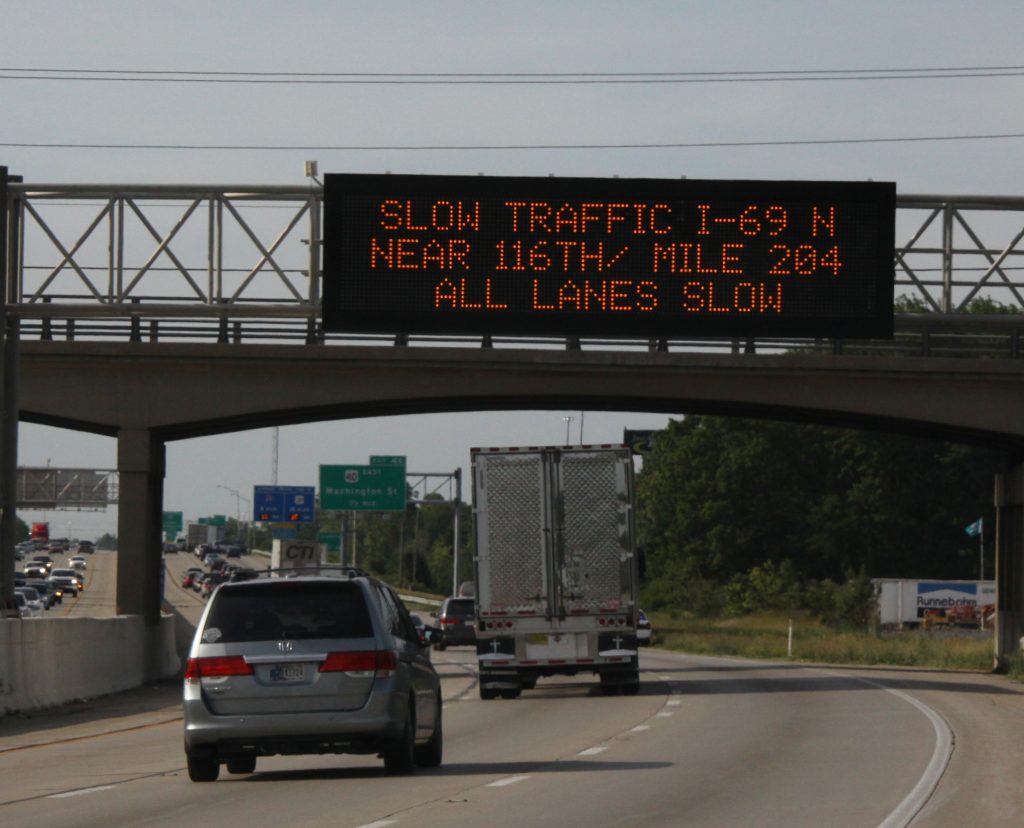
A coordinated sign network starts with shared operating rules
Standardize message approval, user permissions, time synchronization, network monitoring and failover. Each location needs a clear identity and an agreed response when a sign, controller, data source or communications link becomes unavailable.
A VMS is a managed communication point in a road corridor
Variable message signs display approved, time-sensitive information such as incident warnings, lane restrictions, diversions or travel updates. A useful system plans where each message appears, who may issue it, how long it remains valid and how operators verify that the correct sign received it.
Corridor map
Maintain a sign register with location, direction, lanes served, viewing approach, display format and control-system identity.
Message sequence
Plan upstream warning, decision-point guidance and downstream updates so drivers receive a consistent route picture.
Site fit
Confirm dimensions, viewing distance, gantry or roadside structure, access, power and environmental exposure for each location.
Define message ownership and approval
Set roles for routine, incident and emergency messages. Specify priority, approved wording, escalation, time limits and who can clear a message.
Permission and audit
Use named operator roles, approval levels and a record of who changed which sign and when.
Expiry and fallback
Set automatic expiry and a defined response to stale data, failed communications or an unavailable controller.
Plan interfaces and device identity
Document sign IDs, control protocols, message formats, data sources and monitoring paths. Standardize where it simplifies operation while preserving site-specific mounting and service records.
1. Record interfaces, firmware and configuration by device.
2. Test updates, time synchronization and recovery before rollout.
3. Keep drawings, asset IDs and maintenance records aligned.
Measure service health, not just whether a sign is online
A connected device may still show the wrong or expired content. Monitor communications, controller state, display output, message acknowledgement and the age of external data, then prioritize response by corridor role and operational impact.
Communications and hardware
Track link availability, controller alarms, display faults and time since the last successful check.
Message delivery
Confirm the right content was accepted by the intended sign and cleared when its validity ended.
Operational response
Review recurring faults, restoration time, maintenance access and incident impact with the road operator.
Design the message lifecycle before connecting the signs
Source
Identify approved data feeds and human inputs, their owner, update interval and response when information is unavailable.
Validate
Apply approved wording, priority, geographic scope, sign compatibility and validity period before publishing.
Distribute
Route the message to intended signs in the right sequence, with operator permissions and an update record.
Confirm and clear
Verify delivery and display status, monitor expiry and remove or replace the message when the incident ends.
Information to prepare for a VMS proposal
Corridor and inventory
Provide corridor map, location and direction for each sign, display size, viewing approach, mounting type, environment and site constraints.
Control and data interfaces
Describe the control platform, message workflow, data sources, communications, protocols, operator roles, security requirements and integration owner.
Delivery and acceptance
Agree supply boundaries, site works, commissioning, message tests, fault scenarios, training, asset records, warranty and ongoing maintenance.
Explore related transportation signs
LED Highway Sign
For overhead signs where high-speed legibility, gantry engineering and corridor operations shape the project.
Explore solutionLED Road Sign
For street-level applications with mixed road users, site constraints and authority approvals.
Explore solutionElectronic Traffic Sign
Explore electronic road signage for approved traffic guidance and information.
Explore solutionFrequently asked questions
What information can a variable message sign display?
Only content allowed by the applicable authority and operating plan. Common uses include incident warnings, lane restrictions, diversions and travel information when data, wording, placement and approval are defined.
How do operators know a message reached the correct sign?
Specify device identity, delivery acknowledgement, display verification, logging and escalation for messages that are rejected, delayed or shown on the wrong sign.
Can VMS signs use live traffic data?
They can be integrated with approved data sources when interface, update interval, validation, ownership and failure response are agreed. Define how stale or conflicting data is handled.
What should be tested before handover?
Test approvals and expiry, sign selection, corridor sequence, time synchronization, status reporting, network loss and recovery, operator permissions and fault behavior.
Plan a VMS network around reliable information and clear operating control
Share the corridor map, sign inventory, data sources, message workflow, control platform and service expectations. We can help define the LED display and integration scope for review.
Contact Highcolor