TOLLING & ROAD OPERATIONS
ETC Lanes
Help drivers choose the correct toll lane with clear status, payment and exception messages that match the toll operator's live lane state.
Explore Transportation Solutions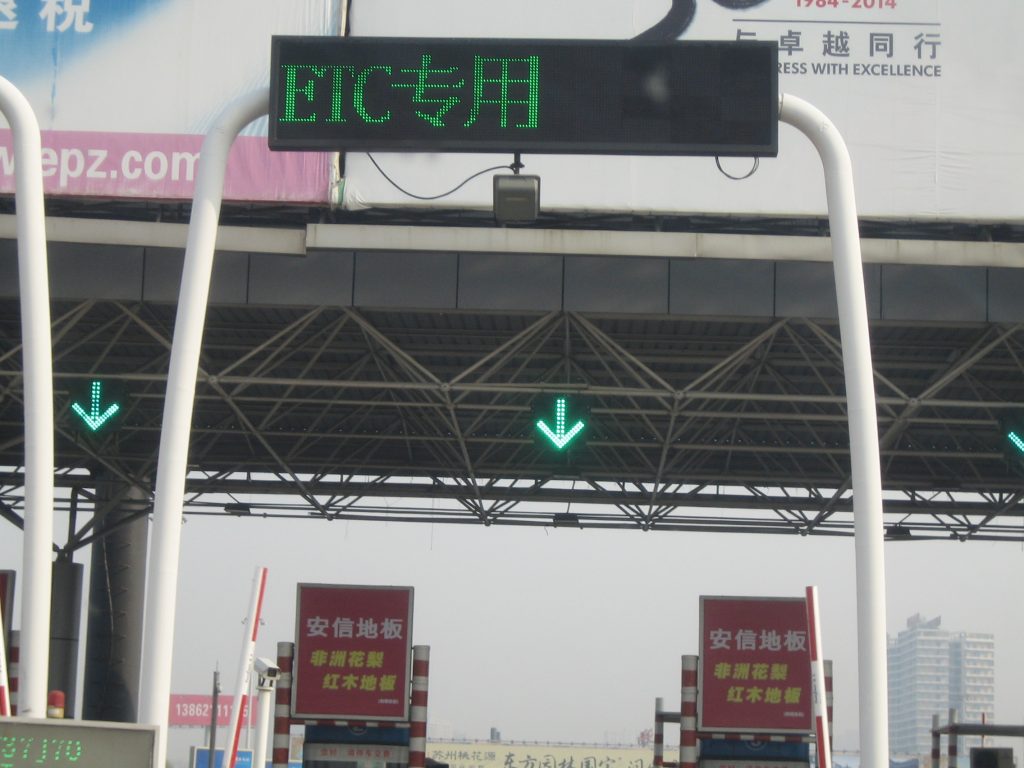
Make the lane instruction clear before drivers commit
Place the lane status where drivers have enough time to act. Use a concise, consistent message for eligibility, open or closed state, payment method and exceptions, with visual priority agreed by the toll operator and road authority.
ETC lane displays guide decisions before the toll point
Connect status messages to the lane operation
Build a site-specific toll lane brief
Put the decision where a driver can still act
Map every approach lane and the point where traffic must choose, merge or stop. Set the sign location and message timing around actual approach speed, sightline, lane geometry and any queuing or barrier positions.
Primary check
Survey approach speed, sight distance, lane changes and driver view.
System checks
Use symbols and wording approved for the local toll rules; avoid late changes after a driver commits.
Separate toll decisions from display control
The toll system or lane controller should remain authoritative for eligibility, lane state and transaction handling. The display solution must make the correct state visible without implying it validates payment. Define interfaces, authority to publish changes, event logging and a fallback agreed with the operator.
Map each displayed message to its system source and approval owner.
Define behavior for stale state, communications loss, power loss and recovery.
Agree operator override permissions, logging and escalation.
Engineer for an exposed toll plaza
Toll plazas can combine weather exposure, vibration, exhaust, dust and difficult access above live traffic. Check structure, power, cable routes, drainage, enclosure needs and safe service methods with the site team and authority.
01
Confirm gantry or canopy loads and mounting approval.
02
Protect and route power and communications for the actual site.
03
Plan safe maintenance access and traffic control for service.
Commission the sign with the lane system
Test the sign as part of the toll lane, not as an isolated display. Simulate normal state changes, exceptions and failure recovery with the lane controller, barrier and operator workflow. Acceptance should prove that the visible instruction matches the real lane state from each approach.
Primary check
Run open, closed, payment and exception-state scenarios.
System checks
Verify every approach view, transition timing and fallback behavior.
Four decisions to confirm before procurement
Toll plaza screens work only when drivers understand the instruction and operators can trust the state behind it. Resolve these interfaces before comparing equipment.
Lane meaning & payment
List accepted payment methods, vehicle eligibility and special-lane rules for each lane. Agree the wording, symbols, language and priority of each instruction with the toll operator.
Viewing & sign position
Use approach speeds, sightlines, lane geometry and barrier location to determine where the sign must be read. Validate its visibility in daylight, darkness and expected weather conditions.
State source & fail behavior
Identify the authoritative source for open, closed and exception states. Define stale-data limits, disconnected behavior, recovery, operator override and accountability for message accuracy.
Installation & service access
Coordinate mounting, structural review, power, data, environmental protection and access with the site owner. Include safe maintenance windows, traffic control and replacement procedures.
ETC lane display FAQs
What does ETC mean here?
ETC means electronic toll collection. This page covers driver-facing displays that communicate lane availability, payment eligibility or toll-plaza instructions; transaction processing belongs to the tolling system.
Can a lane sign operate independently?
A sign can have local control, but its displayed state must be governed by an agreed relationship to the lane controller and toll operation. Define the authoritative state, fallback and override before deployment.
Does an ETC LED sign collect or validate toll payments?
No. It communicates lane or payment instructions. Payment detection, eligibility and transaction records remain with the tolling system and its approved equipment.
What should an ETC lane sign show if communications fail?
The fail behavior must be agreed with the toll operator and road authority based on the site procedure. Specify and test a safe, unambiguous fallback rather than allowing an old lane state to remain unnoticed.
Where should a toll lane status display be installed?
It should be positioned so drivers can read and act on the instruction before the relevant lane choice or merge. Confirm placement through a site survey of speed, sightlines, lane geometry and barriers.
What belongs in ETC lane acceptance testing?
Test each permitted lane state and payment message, transitions, controller interface, communication and power failures, recovery, override permissions, visibility from every approach and operator handover.
Plan an ETC lane display project
Share plaza drawings, lane rules, approach conditions, lane-state sources, operating procedures and maintenance constraints. Highcolor can help define the sign and integration scope with the toll operator.
Contact Highcolor