SPEED FEEDBACK & ROAD SAFETY
Radar Warning Sign
Give drivers clear, site-approved feedback about their approach speed while keeping measurement, display behavior and traffic-authority policy aligned.
Explore Transportation Solutions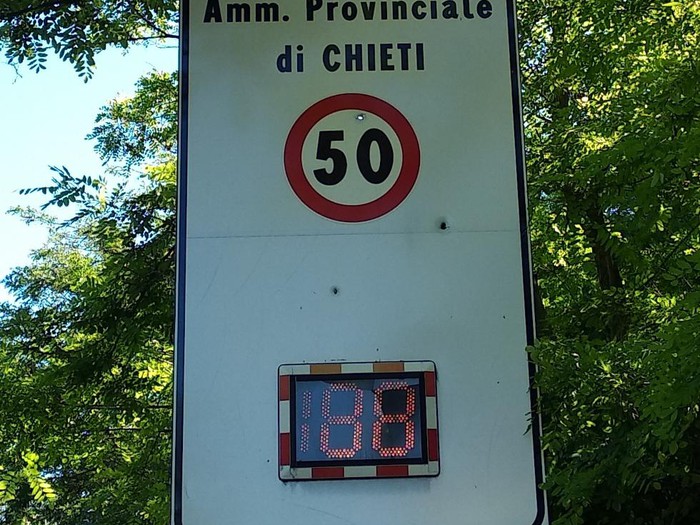
Use speed feedback to reinforce—not replace—road rules
A radar warning sign measures an approaching vehicle and displays feedback under an approved operating policy. It is distinct from enforcement equipment and must not imply that the displayed reading is an official citation. Confirm posted-limit data, thresholds, messages and placement with the responsible road authority.
Choose a site with a defined speed concern
A school approach, work zone, curve or residential corridor may raise different concerns. Work with the authority to identify the intended road user, baseline conditions and the point where feedback can be seen and acted on. Treat evaluation as a site-specific process rather than assuming a fixed speed reduction.
Record the location, posted speed and baseline traffic observations.
Choose a visible approach point with safe sign access.
Agree the purpose and evaluation method with the road authority.
Validate the radar measurement and display response
Detection range, mounting angle, lane geometry, vehicle spacing and display thresholds affect the reading drivers see. Test the sensor and sign together on site, including cases where a valid measurement is unavailable or multiple vehicles are within the detection area.
01
Verify detection zone, alignment and readings against a suitable field check.
02
Use authority-approved posted-speed values, thresholds and message rules.
03
Document calibration or functional checks, fault indications and service ownership.
Keep the feedback immediate and easy to interpret
A driver should recognize the measured-speed feedback without searching for it. Confirm digit size and viewing time at the approach distance, review day and night brightness, and avoid animation or added content that competes with the posted limit or required signs.
Primary check
Check numeral legibility from the driver's approach position.
System checks
Review daylight and nighttime settings, placement and sign conflicts.
Four checks for a reliable speed-feedback sign
A speed-feedback sign combines a sensor, display, mounting and operating policy. These project details help determine whether the sign can provide consistent, understandable feedback at the chosen location.
Sensing & lane coverage
Define the approach lanes, target vehicles, detection range and expected vehicle spacing. Confirm the sensor's approved use and how readings are checked after installation.
Posted speed & message policy
Identify the authority responsible for speed-limit values, display thresholds, warning wording and flashing behavior. Set rules for incorrect, implausible or unavailable measurements.
Viewing & sign placement
Review approach speed, sight distance, road geometry, competing signs and sign height. Verify numeral visibility from the driver's position in expected light and weather conditions.
Power, enclosure & maintenance
Select power and enclosure arrangements for the site, then plan safe access, inspection, sensor checks, replacement parts and responsibility for ongoing maintenance.
Maintain the sensor and measure the site's outcomes
Plan checks for radar alignment, display operation, power, mounting and enclosure condition. If the authority evaluates the sign's effect, agree the data collection method and comparison period in advance; do not infer performance from a few observations.
Schedule radar functional checks and calibration as required by the equipment.
Monitor power, communications and sign status.
Review site observations with the road authority and document changes.
What to include in a radar warning sign brief
Provide enough site and operating information to compare complete proposals. Ask suppliers to state sensor assumptions, display behavior, power needs, installation boundaries, testing and service obligations.
Site & traffic context
Share site plans or photos, approach direction, lane count, posted speed, sight distance, traffic conditions, purpose and road-authority contact.
Sensor & display behavior
List required measurements, threshold and message rules, display schedule, exception handling, day/night needs and the method for validating readings.
Installation & lifecycle
Clarify mounting, power, communications, permits, commissioning, operator training, inspections, calibration, warranty, spare parts and service access.
Radar warning sign FAQs
Can the displayed speed be used for enforcement?
Do not assume a feedback sign reading is an enforcement record. The road authority must define the sign's permitted role, measurement requirements and any separate enforcement process.
Can it be solar powered?
Potentially, if the combined sensor, display, controller and communications load fits the site's solar exposure and required operating schedule. The power system must be designed and verified for actual conditions.
Does a radar warning sign issue speeding tickets?
A speed-feedback sign normally informs drivers of a measured speed; it is not automatically an enforcement device. Confirm the specific role and requirements with the responsible road authority.
How accurate is the speed shown on a radar sign?
Accuracy depends on the sensor, mounting, target lane, vehicle conditions, configuration and required verification. Ask for the applicable equipment accuracy information and an on-site test method.
Can a radar sign detect multiple vehicles at once?
That depends on the sensing technology and road geometry. Specify lane coverage and traffic conditions, then test how the device selects or suppresses readings when vehicles overlap in the detection zone.
How should the warning threshold be set?
The road authority should approve the posted speed, threshold, message and any display behavior. The supplier should configure and validate those rules, not define road policy.
What should be checked during commissioning?
Verify sensor alignment and readings, lane coverage, display response, approved thresholds and message behavior, visibility, power, fault indications, calibration procedure and operator handover.
Plan a radar warning sign installation
Share the road context, posted speed, approach conditions, measurement goals and authority requirements. Highcolor can help define the sign, sensor and installation scope.
Contact Highcolor