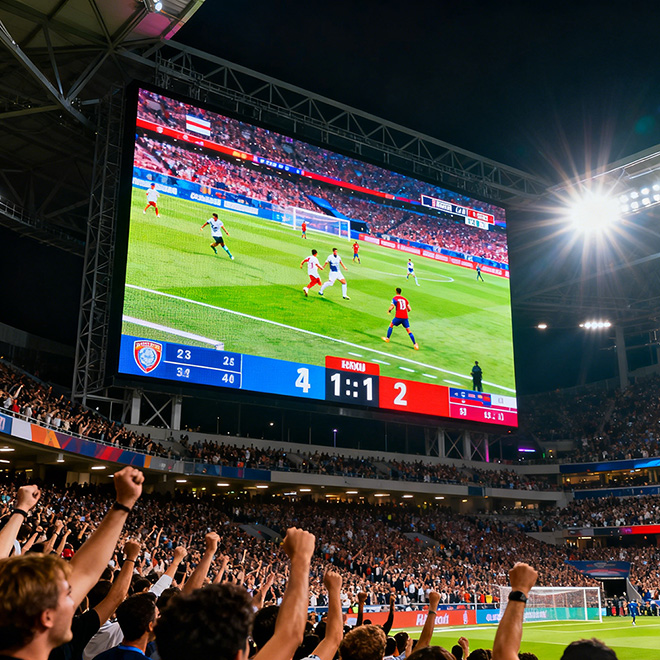
LED Curtain & Mesh Displays
Create a large visual surface with a more open structure. Compare LED curtain and mesh displays for stage backdrops, event scenery and building façades—balancing visibility, image detail, structure and service access.
Choose an open LED format for the real site conditions
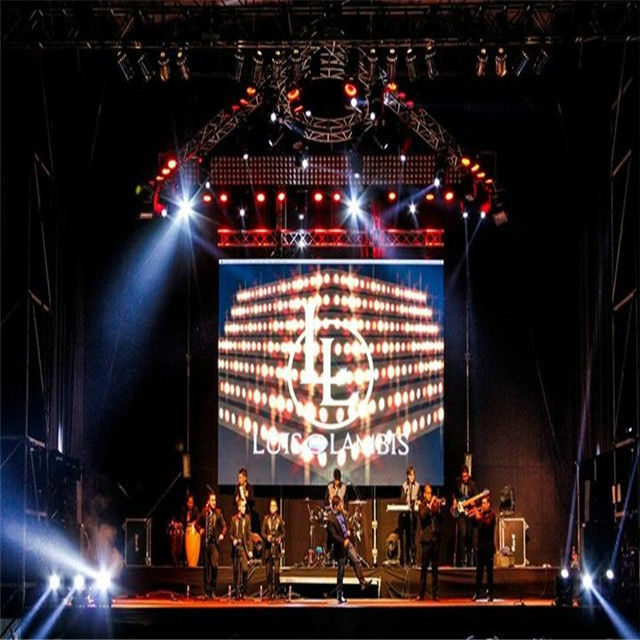
For a stage: coordinate screen, lights and cameras
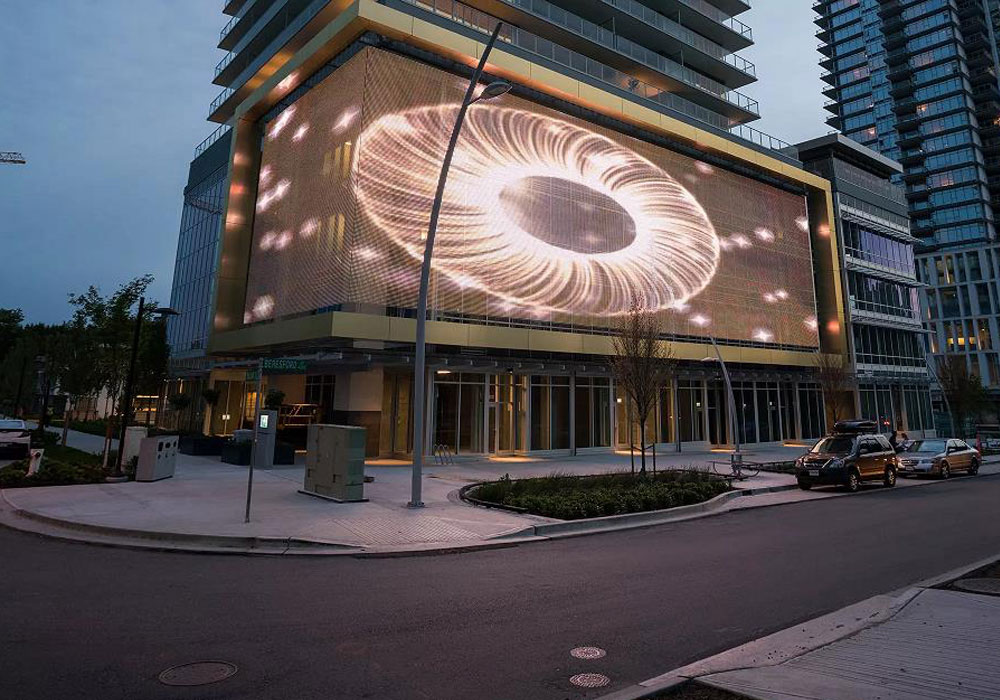
For a façade: engineer the attachment and access
What to include in a useful request for quotation
Where mesh is a fit—and where a solid wall may be better
Set openness from the view behind the screen
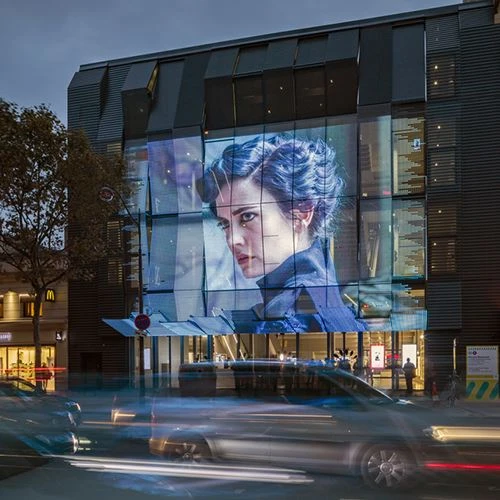
For a stage, the view behind the mesh may include performers, moving lights, scenic elements and cameras. For a façade, it may include occupied rooms, daylight, window reflections or the building’s architectural rhythm. Identify what must remain visible and from which positions, then compare representative content in both bright and dark conditions. More open spacing may reduce image continuity; denser construction may change weight, wind behavior and the degree of visual obstruction. Treat these as linked design choices and validate them against the specific screen model and mounting plan.
Model the span, load path and service plan
Draw the support grid, fixing points, cable and power routes, access for installation and safe reach for inspection. For exterior projects, a qualified engineer must assess site-specific loads and the condition of the receiving structure; open construction can reduce wind resistance but cannot eliminate wind loading. Plan how technicians will isolate circuits, reach a failed section and replace parts without compromising adjacent façade or scenic systems. Confirm who owns engineering, supply, installation, commissioning and ongoing maintenance in the project scope.
Test content in daylight, at night and on camera
Open displays can render bold graphics and large shapes strongly while allowing the background to remain part of the scene. Fine text and dense imagery may look fragmented at distance because the open spacing is visible between emitting elements. Check the same content from the closest, farthest and most oblique audience positions; for stage work, also inspect camera close-ups and wide shots under show lighting. For building media, compare daylight visibility with nighttime brightness and consider spill toward occupied spaces. Adjust content layout and brightness to the setting rather than expecting one video file to perform equally in every condition.