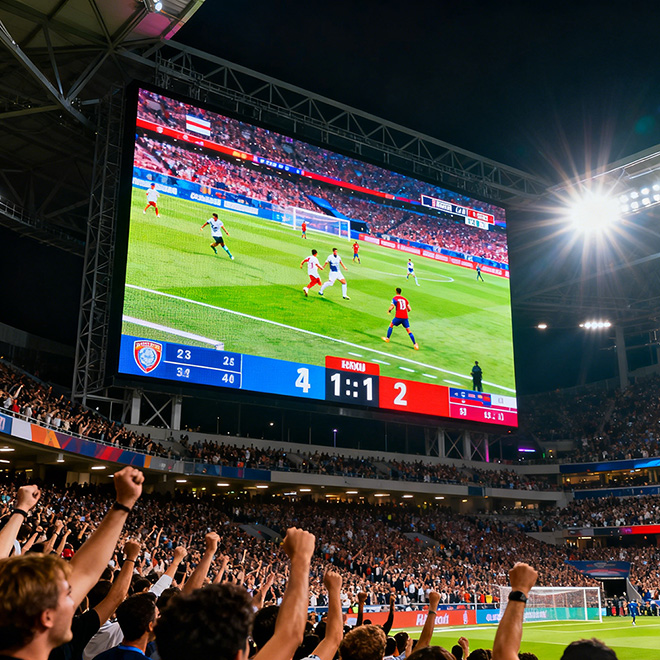
Curtain LED Screen
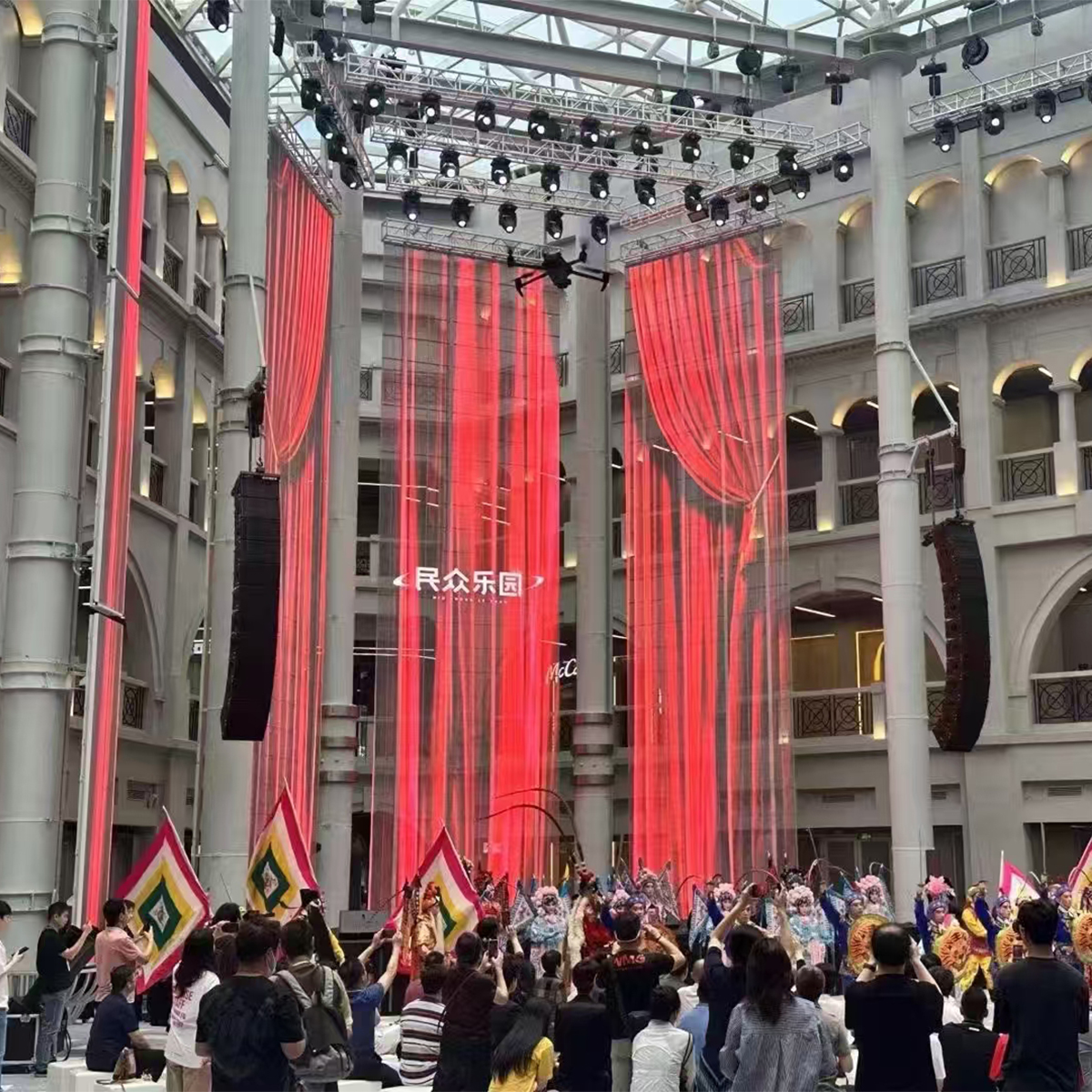
Shape the stage with an open, layered LED backdrop. Plan the curtain’s pixel layout, visual density, rigging, camera behavior and show control as one production system.
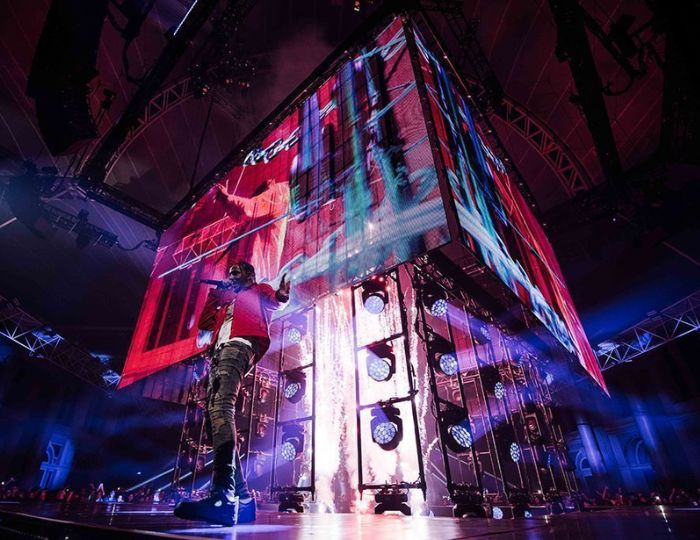
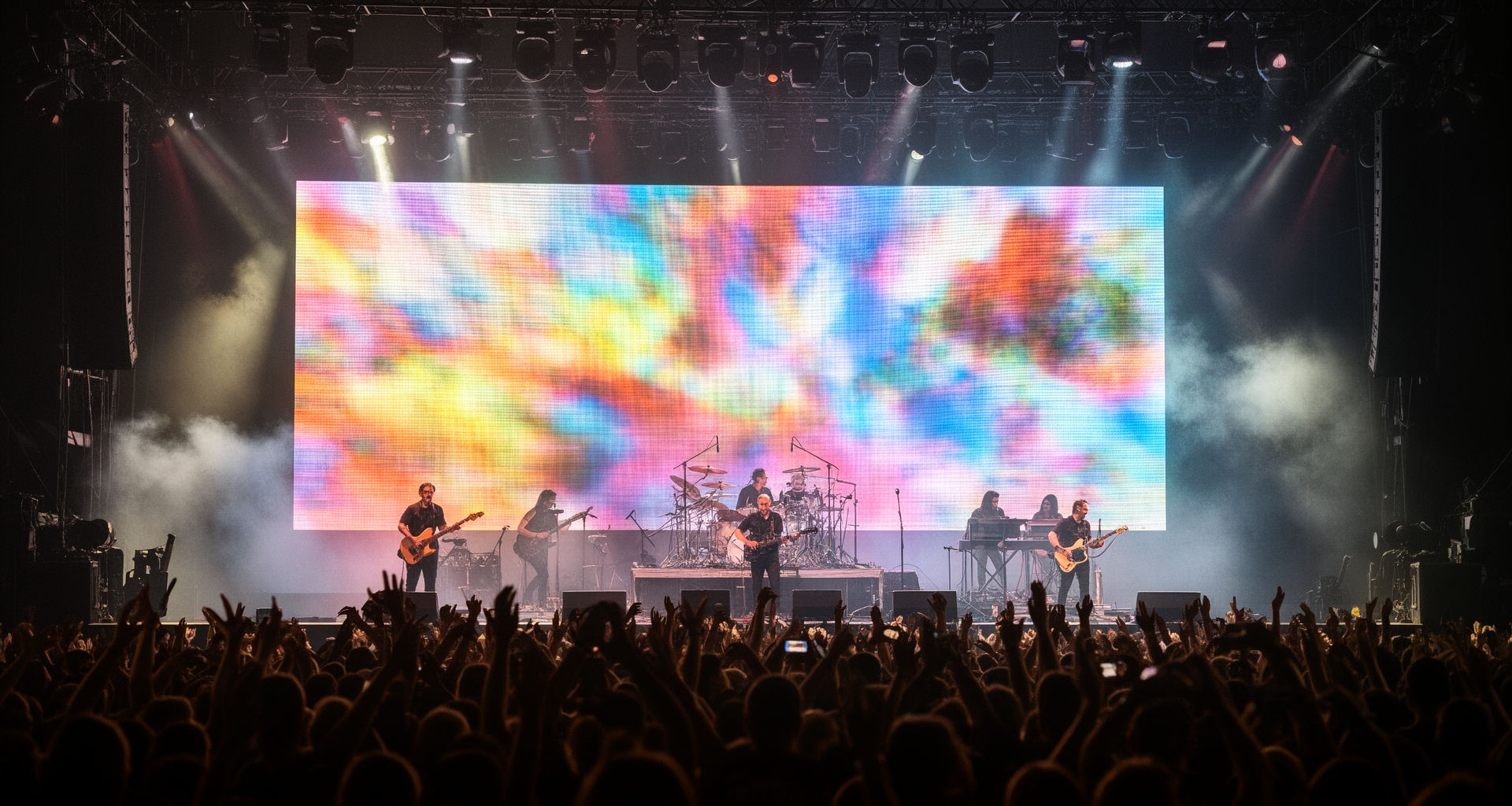
Choose the curtain’s openness and stage geometry together
Select an openness level from the visual brief
Begin with what the audience should see through the screen: performers, scenic layers, lighting beams or architectural background. A denser curtain can carry more image information but may obscure more of the space behind it; wider gaps can strengthen the layered look while making fine content less continuous. Compare options using the same artwork at the real viewing distance, and assess both the lit screen and the unlit or standby state. For touring stages, include camera tests because sensor, lens, shutter and display refresh interaction can affect recorded imagery.
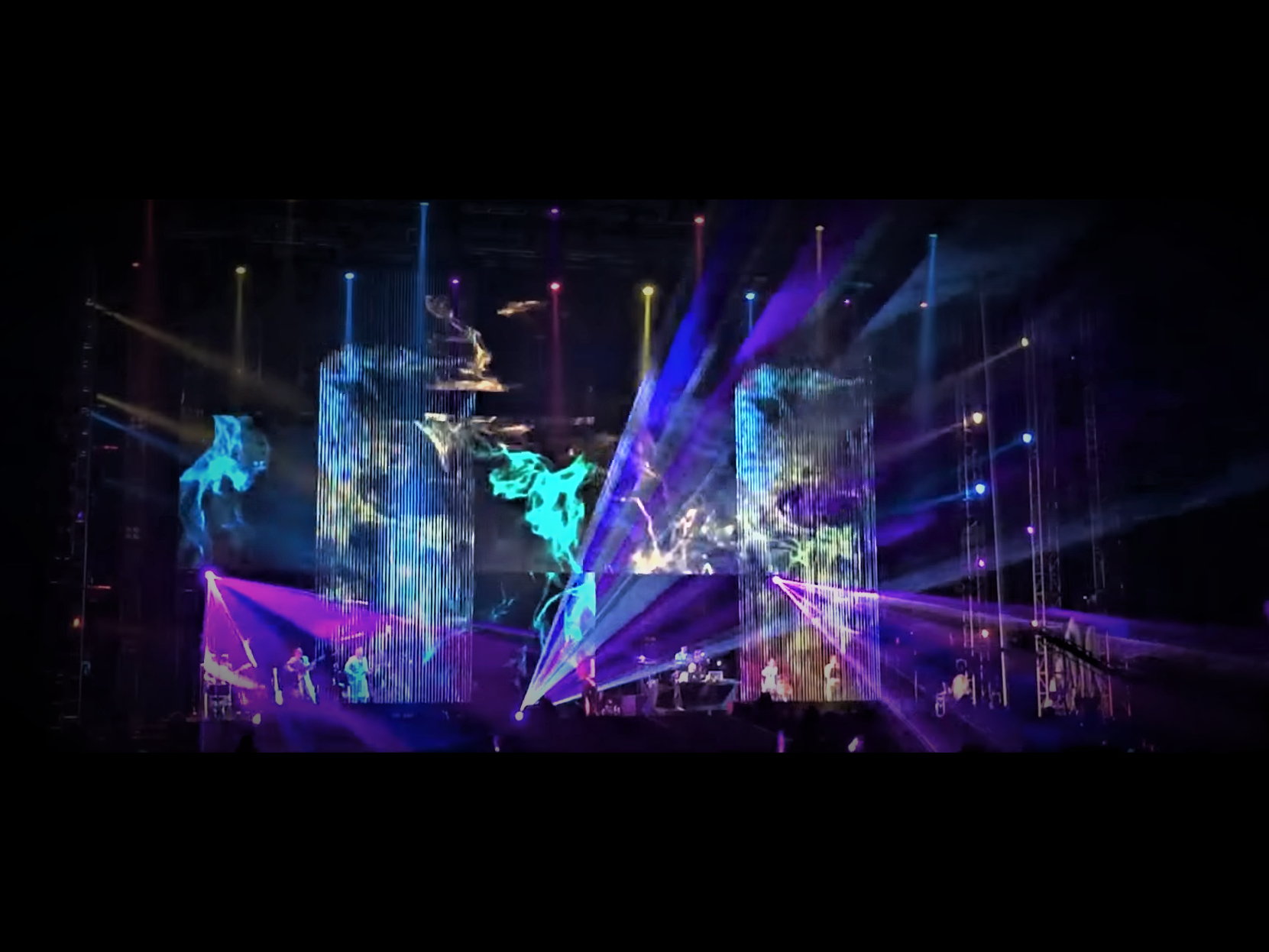
Engineer the hang, connections and service access
Map the suspension system, load points, curtain shape and clearances against the venue’s approved rigging plan. Confirm the total span, panel or strip weight, permitted attachment method, cable strain relief, power distribution and signal routing. A flexible or open format still needs a suitable support structure; do not infer safe loads or wind behavior from appearance alone. Agree how sections are labeled, connected and addressed, where processors and service points sit, how a damaged strip is reached, and how the equipment will be packed for transport. For a permanent architectural installation, have qualified local professionals review the structure and applicable codes.
Rehearse the picture, camera and show cues
Test the final media file and playback canvas through the intended processor. Check text size and graphic continuity across gaps, transitions between low-density and bright scenes, black levels, color balance and brightness beside stage lighting. Rehearse camera shots at the planned lens positions and frame rates, then coordinate screen content with lighting cues, scenic movement and performer blocking. Agree a run-of-show fallback if the media server, control link or one curtain section fails, and document the start-up, shutdown and daily checks for the crew.
Curtain LED screen questions
What is a curtain LED screen?
How do I choose the pixel spacing and visual density?
Can a curtain LED screen be used on a touring stage?
What should be tested before a show opens?
Plan your curtain LED screen around the full production
Share the stage drawing, viewing and camera positions, content canvas, rigging plan and show schedule. We can help review the display configuration and the details needed for a production-ready scope.
Discuss Your Curtain LED Screen