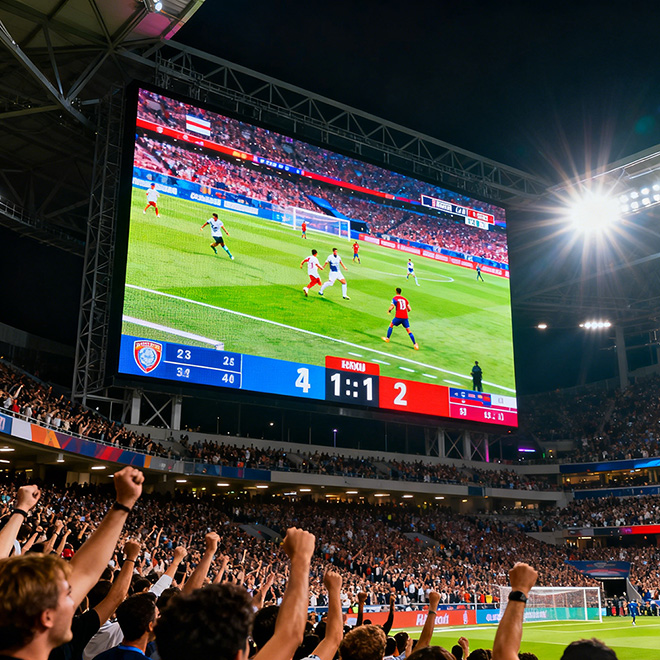
CYLINDRICAL LED DISPLAY
Can LED Screen
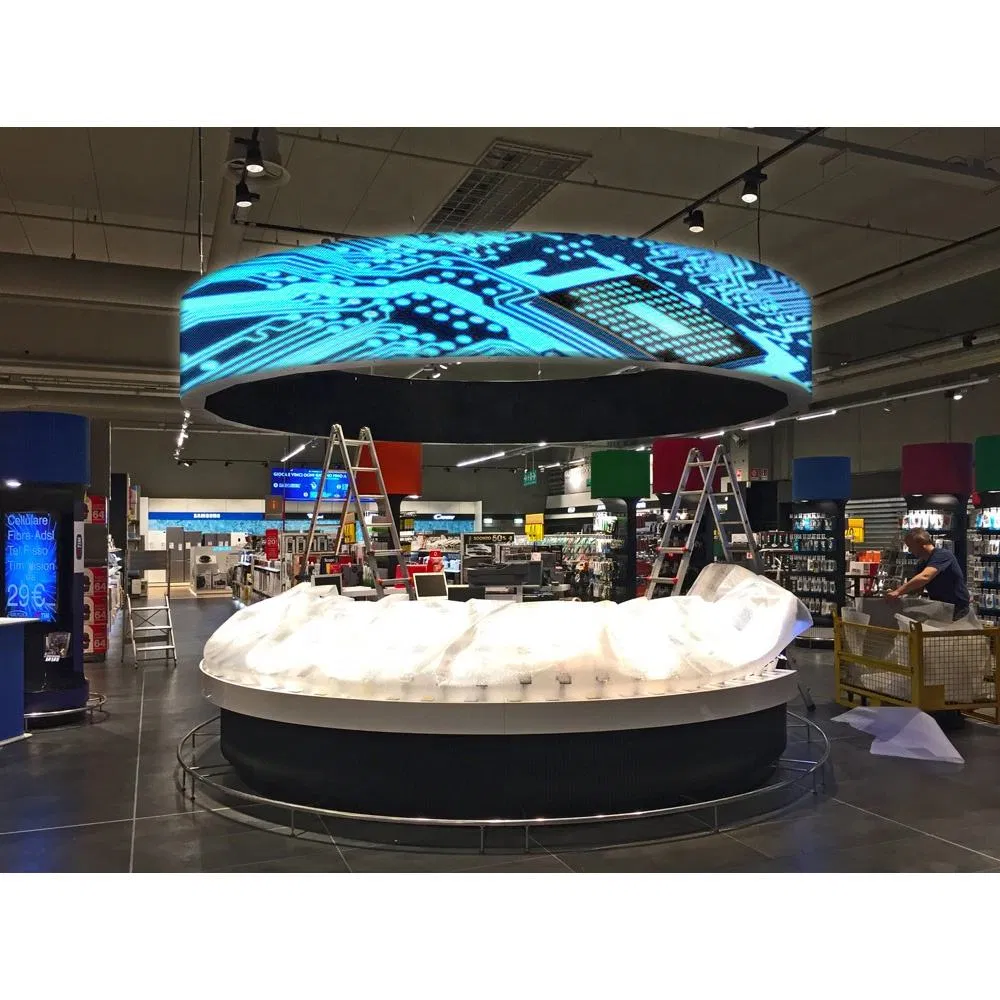
A Can LED Screen is a cylindrical LED display built around a branded object or product-launch concept. Its design balances the visible wrap, image seam, top and base finish, stability and the viewing angles people encounter as they move around it.
Plan a Can-Shaped LED Display →
Project definition
Define the Cylindrical Can-Shaped Object Before Choosing Modules
A can-shaped LED display is a custom cylindrical object rather than a conventional flat panel. Buyers need to define its overall size, the active LED wrap, cap or trim treatment, base stability and how visitors view the artwork from different directions.
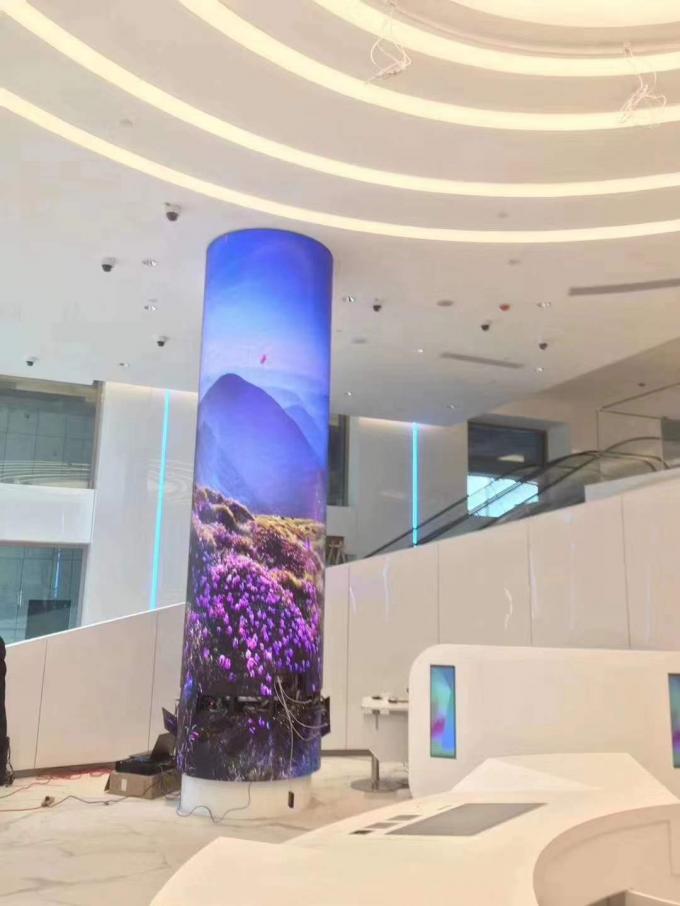
For a screen wrapped around an architectural pillar, compare the project with Curved LED Display Wall.
Engineering
Design decisions for a cylindrical LED object
Plan the viewing circumference
Decide how much of the cylinder must be visible at once and where the primary viewing position will be. A full wrap creates a different viewing and content task from a display limited to one front-facing arc.
Choose the display height
Balance the active LED body against the overall object height, base and top finish. Keep the finished outer dimensions distinct from the lit screen area on the drawing.
Detail the top and bottom
Define whether the top and base are LED, solid trim or structural covers. These edges influence the finished silhouette, water or dust exposure where relevant, and access to internal components.
Place the seam intentionally
Choose a seam position based on the main audience and artwork. Keep logos, faces and key text away from the joint where possible, and make the seam location part of the content map.
Stabilize the base
Coordinate the footprint, weight distribution, fixing method and cable exit with the intended floor or platform. Site and public-use requirements should be confirmed for the specific installation.
Protect brand legibility
Set a safe zone for logos and essential copy, accounting for the wrap seam and viewing angle. Test the artwork around the complete cylinder instead of judging it only in a flat preview.
Specification
Can LED Screen drawing inputs
| Shape-specific engineering parameter | Value | Engineering use |
|---|---|---|
| Cylinder diameter | Project-defined / confirm by drawing | Required to engineer the cylindrical can-shaped object geometry before production. |
| Body height | Project-defined / confirm by drawing | Required to engineer the cylindrical can-shaped object geometry before production. |
| Top/bottom cap geometry | Project-defined / confirm by drawing | Required to engineer the cylindrical can-shaped object geometry before production. |
| Visible wrap angle | Project-defined / confirm by drawing | Required to engineer the cylindrical can-shaped object geometry before production. |
| Base footprint | Project-defined / confirm by drawing | Required to engineer the cylindrical can-shaped object geometry before production. |
| Brand artwork safe zone | Project-defined / confirm by drawing | Required to engineer the cylindrical can-shaped object geometry before production. |
These are RFQ/engineering fields, not claimed Highcolor performance specifications. Exact dimensions, pitch, brightness, protection and module construction must be confirmed for the selected product platform.
Content & mapping
Map the artwork around the full cylinder
The controller canvas should represent the active LED wrap and its seam position. Confirm which part of the circumference is lit, where the map begins, and how the image travels around the object before producing artwork.
Check logos, faces and key text at multiple viewing angles. A flat preview can hide seam conflicts or distortion around the curve, so test representative content against the approved wrap map.
Review the wrap before creating final media
Approve the visible wrap angle, artwork start point, seam, active screen boundary and safe area for branding. A short rotating preview can confirm that logos and key copy remain legible as the audience moves around the display.
Installation decision
Coordinate the shell, base and service route
The structure must preserve the intended cylindrical profile while supporting the LED assembly, internal wiring and outer finish. Confirm the footprint, fixing approach and cable exit with the host platform before production.
Decide how serviceable parts are reached without damaging the brand finish. Keep access panels, fasteners and any removable screen sections out of prominent viewing areas where the design allows.
Cost drivers
What affects the cost of a Can LED Screen?
Cost depends on the finished cylinder size, active LED coverage, selected pixel pitch, shell and base construction, and how the display reaches its site. Compare prices using the same drawing and confirm whether branding, installation, transport and content mapping are included.
Diameter and height proportions
A tall, narrow cylinder and a short, wide object need different framing, support and viewing distances. Price from the finished outer dimensions and the active LED area rather than a product nickname.
Active wrap and pixel area
The amount of the circumference covered by LEDs affects material, power, mapping and content work. State the lit arc and pitch in the same drawing so quotations use comparable assumptions.
Seam and edge finishing
Seam visibility, top and base trim, and the way the screen meets the shell all affect fabrication and finish. Agree the expected viewing side and finishing standard before production.
Base, transport and installation
Base stability, cable egress, delivery dimensions and site setup can change the project scope. Confirm whether the quote includes transport, on-site assembly, content mapping and commissioning.
Drawing review
What to approve before the cylindrical display is built
Use the dimension table to freeze the shape, then check how the LED surface, branding, support, service access and delivery plan work together. This review helps prevent expensive changes to the finished shell or artwork.
Outer envelope and viewing positions
Approve overall diameter and height alongside the active screen area, base and trim. Mark the primary viewing positions and confirm that key brand artwork remains readable from the intended approach angles.
Wrap seam and image start point
Locate the seam and define where the image begins on the cylinder. Test logos, product images and text around the full circumference so important content does not land across the joint.
Top, base and shell construction
Show how the LED assembly joins the cap, base and outer finish. Confirm cable exit, fixings and the material boundaries with the project fabricator before the design is released.
Base stability and site interface
Coordinate footprint, weight distribution, floor or platform fixings and delivery dimensions. The project team should confirm site-specific stability and public-use requirements for the installation.
Power, control and service access
Locate power and controller access, identify the removable sections and show how technicians can reach the electronics without damaging the finish.
Brand content and acceptance
Approve the mapped artwork, seam position, content files, test pattern and commissioning scope. Record who supplies media, transport, installation and any local electrical approvals.
FAQ
Can LED Screen: design and buying FAQ
What drawing is needed to quote Can LED Screen?
Send a dimensioned sketch, CAD model or elevation showing cylinder diameter, body height and the active LED area. A reference image alone is not enough for final engineering.
Which geometry dimension controls Can LED Screen most strongly?
Start with cylinder diameter and body height. The engineering team also needs top/bottom cap geometry before module segmentation is frozen.
How should pixel mapping be prepared for Can LED Screen?
Map the real active surface rather than forcing a standard 16:9 canvas. The controller map should follow the approved geometry, seams and inactive zones of this cylindrical can-shaped object project.
What service-access issue is specific to Can LED Screen?
Access must be planned around brand artwork safe zone. Components that become trapped behind the finished geometry should be identified before the support structure is released.
What usually changes the cost of Can LED Screen?
The largest geometry-related variables are diameter-to-height ratio, cap treatment, wrap seam and branded structural finish. LED pitch and total active area also affect the final quotation.
Internal selection links
Compare Shapes With Different Engineering Intent
A made-to-drawing led project used when standard cabinet geometry cannot satisfy the required object, surface or installation.
A teardrop-shaped led sculpture combining a rounded body with a narrowing tip, producing changing curvature and non-uniform segmentation.
A continuous led wall following a concave, convex or s-shaped viewing surface.
Discuss a cylindrical LED display built around your brand
Send the intended size, wrap angle, artwork, viewing positions, site conditions and base requirements. We can identify the drawing details and project scope needed for a comparable quotation.
Request Engineering Review →