ENTERTAINMENT & EVENTS
Nightclub LED Screen
Plan a nightclub LED screen around guest sightlines, late-night lighting, content control, heat and the realities of continuous venue operation.
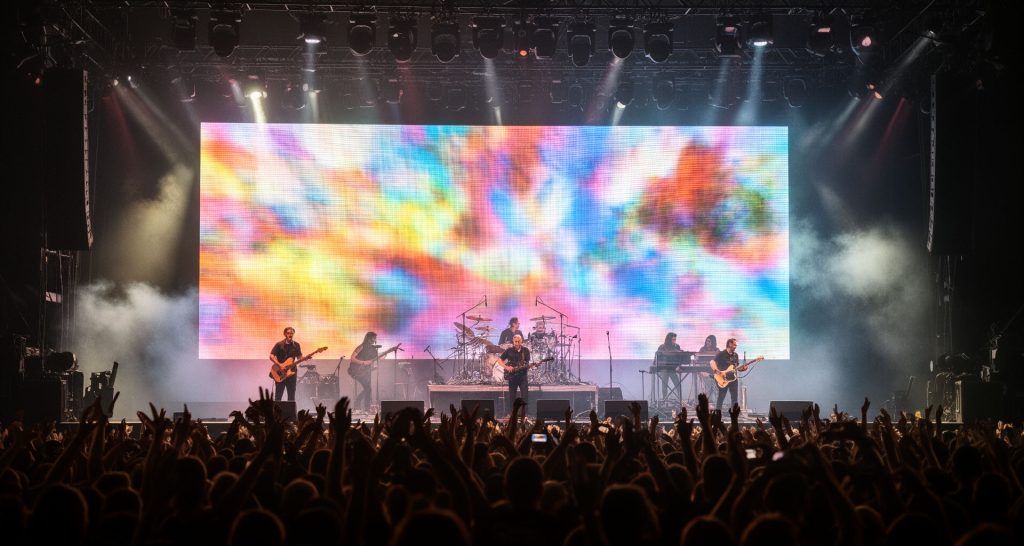
Plan for nightclub sightlines, lighting and operating hours
Nightclub LED screen planning priorities
Balance immersion and visibility
Place main walls, booth fascia and architectural screens around circulation, emergency routes and actual viewing angles. Check glare, reflections and stable low-brightness operation in the finished room, not only in a daytime walkthrough.
Integrate with music and lighting
Agree cue ownership between DJ/VJ content playback, the lighting desk and venue operations. Document sources, processor presets and triggers; rehearse transitions and manual overrides, and define a fallback if a cue or network link fails.
Protect the hardware
Assess heat, vibration, condensation, accidental guest contact and cleaning methods. Confirm ventilation, safe mounting, cable protection, module access and whether servicing can happen without closing the venue.
Maintain the visual result
Document calibration and processor files, schedule cleaning, and keep compatible spares and a service contact available. Plan maintenance windows around busy nights and check that technicians can reach power, data and modules safely.
Design the nightclub screen and control workflow
A strong nightclub LED system has a defined screen role, predictable operator controls and a plan for technical faults. Confirm these details with the venue, integrator, DJ/VJ and lighting operator before installation.
Choose screen zones with a purpose
A main wall can carry club identity and performance visuals; booth fascia needs close-range comfort and protection; bar or entrance displays may serve schedules and promotions. Keep operational information visually distinct and avoid duplicating content in every zone.
Map sources to the screen canvas
List media servers, playback computers, cameras and any scheduled signage source. Confirm output formats, processor inputs, canvas mapping, cable paths and switching behavior. Test every source at the intended resolution and document what happens if a source or data link drops.
Set operating limits and permissions
Create named presets for doors open, performance, private events and maintenance. Give staff a clear brightness control but protect calibration settings from accidental changes. Agree who can trigger content, approve a late change and restore the default scene.
Commission for the real room
Test representative dark scenes, saturated colors, white flashes, text and motion under actual venue lighting. Inspect heat ventilation, reflections, viewing angles, image uniformity and camera capture. Train the operators who work regular nights, not only the installation crew.
What to confirm in a nightclub LED screen proposal
Ask suppliers to describe the complete installed or rental system rather than quoting screen area alone. Match each proposal to venue use, operating hours, content, support and service access.
Display and installation scope
Request pixel pitch, cabinet dimensions and weight, finished pixel resolution, brightness range, refresh specification, mounting method, power distribution and cable plan. Confirm indoor or outdoor rating only where relevant to the installation.
Control and integration
Specify processor, media-server or playback requirements, signal formats, input switching, control ownership, presets and fallback path. Confirm whether content creation, mapping, commissioning and staff training are included.
Operations and lifetime cost
Compare warranty, spare-module availability, service response, cleaning recommendations, expected maintenance windows and access requirements. For a continuously operating venue, include power and cooling considerations and the labor needed to keep equipment accessible.
Evidence before acceptance
Request drawings, pixel map, signal flow, operating instructions and commissioning checklist. Acceptance testing should cover every cabinet, input, preset and service procedure with the venue team present.
Nightclub LED screen: frequently asked questions
What should guide pixel pitch selection?
Start with the nearest normal viewing position, content detail, screen size and camera use. Compare a representative sample at venue viewing distances rather than choosing from pitch alone.
How should brightness be managed in a dark club?
Specify stable dimming, test the display under actual lighting states and create named brightness presets for different operating conditions. Assign an operator who can adjust output without changing calibration.
Can an LED wall run for long opening hours?
The system should be selected and installed for its duty cycle, ventilation, power and maintenance requirements. Confirm these against the specific product datasheet and operating plan, and keep service access clear.
What should be ready before installation?
Prepare venue drawings, screen locations, power and cable routes, support details, control sources, installation access and a service plan. Confirm commissioning tests, staff training and fallback operation before handover.
Scope your nightclub LED screen project
Share a venue plan, screen locations, viewing positions, operating hours, content and control sources, lighting conditions, installation constraints and service expectations. Include target opening date and budget range to define an appropriate system scope.
Discuss your project