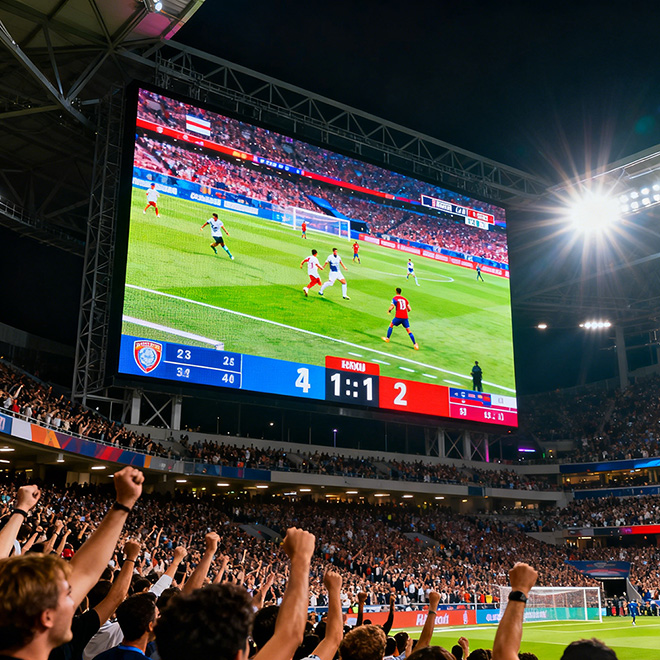
LED Light Pole Display Screen
Plan a pole-mounted LED display around the site’s permissions, structural capacity, sightlines and service access. Define the screen, mounting and operating plan together before installation.
Plan your pole display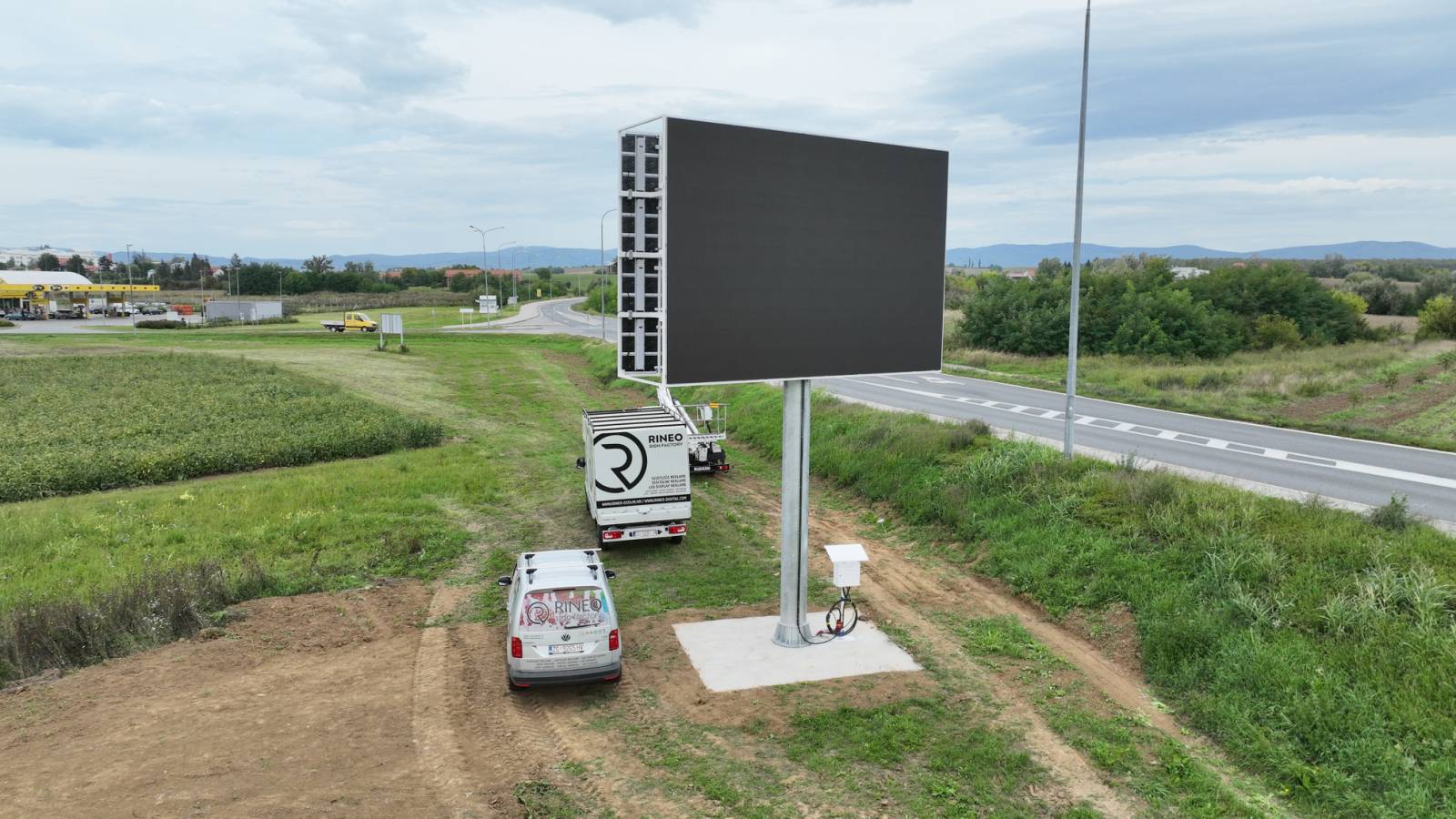
Start with the pole owner, site and viewing conditions
Check the display’s role before choosing its format
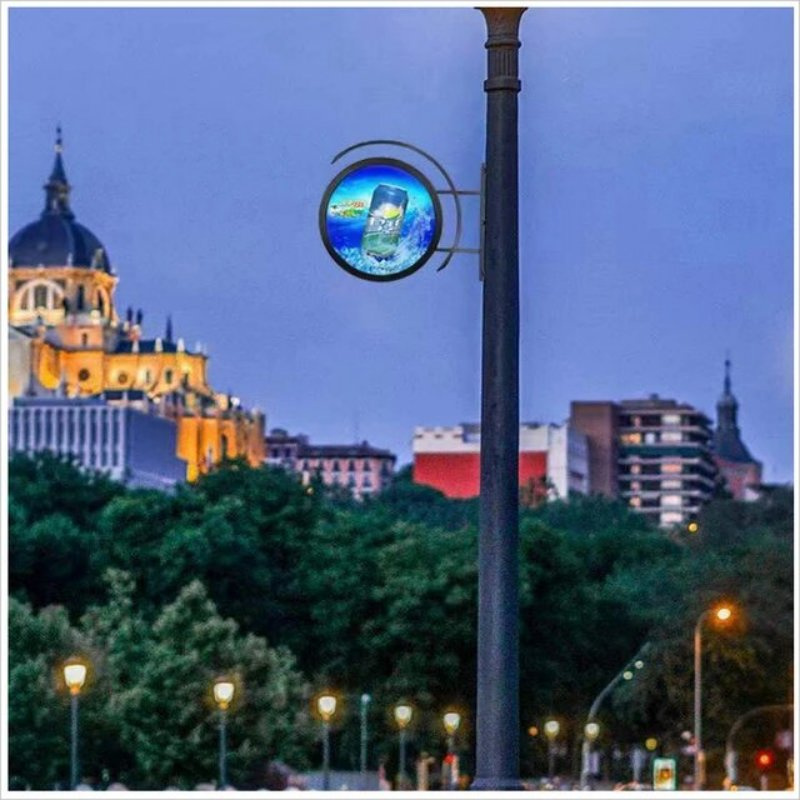
Specify the pole, bracket and screen as one engineered assembly
A screen changes the loads and leverage on its support. Record cabinet dimensions and mass, bracket geometry, offset from the pole, cable routes, existing attachments, pole and foundation records, and site exposure. Have a qualified local structural professional assess the complete installation using verified site data and applicable codes; do not select a mounting system from screen weight alone.
Pole condition and records
Gather pole and foundation drawings, condition reports, existing attachments and ownership details. Identify missing records before a structural review.
Wind and attached loads
Include the proposed cabinet and bracket, their offset from the pole, cable routes, and other attachments. The responsible engineer should use verified exposure and site conditions.
Bracket and connections
Review connection details, corrosion, fatigue, vibration and access for installation. Confirm that the selected support suits this pole and its records.
Service and safe access
Plan lift or access equipment, work-zone controls, power isolation and a maintenance route that follows local safety requirements.
Design for roadside reading
Set message length, type size, contrast and viewing angle for the real approach speed and distance. Keep content brief and visually distinct from traffic signs.
Control brightness and transitions
Define daytime and nighttime settings, dimming behavior, transition speed and fallback content. Check glare and nearby homes or businesses under actual site conditions.
Review placement and clearance
Check sightlines, pedestrian clearance, nearby signs and signals, work-zone access and locally required setbacks before fixing the location.
Set an approved content policy
Document permitted messages, ownership, review steps, schedules, transitions and outage behavior. Keep advertising distinct from traffic control and official public information.
Treat each pole as a managed site asset
Give every location a site ID and retain approved drawings, permissions, content rules, electrical details, access method and inspection history. Plan how faults are reported, who can safely reach the unit, how power is isolated, and how a failed screen returns to an approved state. A fleet plan should make service repeatable without assuming every pole or authority is identical.
Plan power, weather protection and remote service
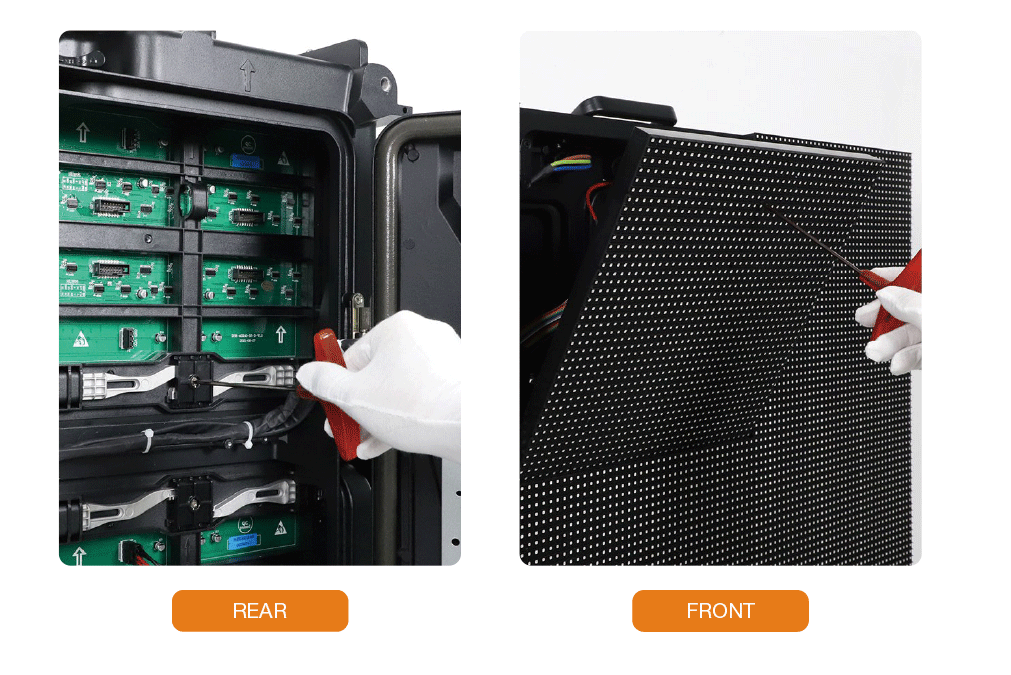
Coordinate the supply, protective devices, grounding, surge strategy, enclosure rating, corrosion resistance and thermal management with qualified electrical and structural professionals. Confirm site conditions and applicable electrical rules. For networked screens, plan secure connectivity, monitoring, content scheduling and a fallback for outages. Document safe access and isolation before work begins.
LED light pole display screen FAQs
Do I need permission to mount a display on a pole?
Permission depends on pole ownership, land control, display purpose and local rules. Confirm approval with the owner and relevant authority before purchasing or installing equipment.
What information is needed for a structural review?
Provide the screen and bracket dimensions and mass, mounting offset and height, pole and foundation records, existing attachments, location and exposure, plus drawings for the complete proposed assembly.
How can a pole display remain readable without distracting road users?
Match message length, type size and viewing angle to the approach distance. Agree brightness and transition controls for day and night, and check glare, sightlines and proximity to official signs at the site.
How should maintenance be planned?
Define safe access, work-zone controls and electrical isolation, then assign fault monitoring, inspection records, spare parts and a local response route to each site.
Plan a pole-mounted LED display
Share the location, pole records, viewing conditions and intended screen use to shape a practical next-step specification.
Discuss your project