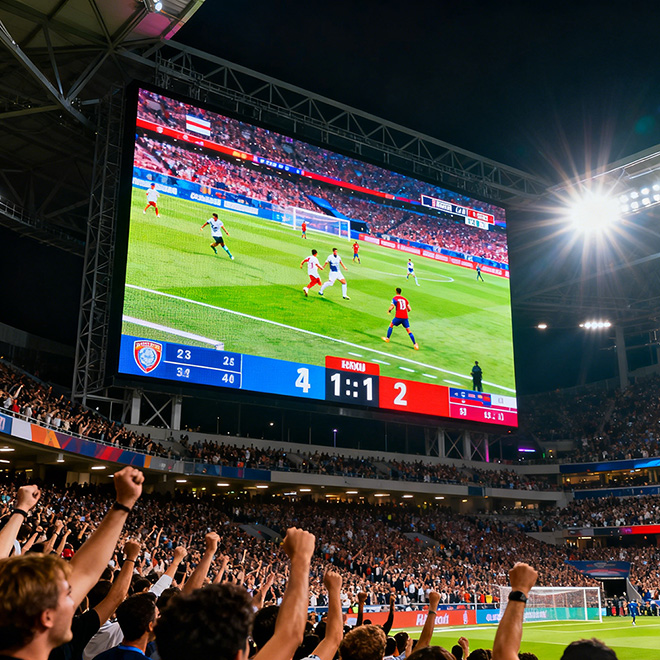
SMD LED Display: The Definitive Technical Guide for Commercial Buyers
An SMD LED display uses surface-mounted LED packages to form the pixels of a video wall. For buyers, the useful question is not simply whether a screen is “SMD,” but whether its pixel pitch, brightness, cabinet protection, service access and power requirements fit the installation. This guide explains the checks to make before requesting a quotation.
What is an SMD LED display?
SMD stands for surface-mount device. In a conventional full-color SMD module, red, green and blue emitters are housed in a compact package that is mounted on a printed circuit board. The module is assembled into cabinets, then connected to power, receiving cards and a video control system. Package construction varies by product; ask for the exact LED package and module specification rather than assuming that a package number guarantees a particular pitch or performance.
SMD is used across many indoor LED displays, outdoor LED displays and rental screens. Compare the completed display, not just the LED package: calibrated brightness, viewing angle, refresh rate, color uniformity, power draw and the cabinet’s tested protection all affect the result.
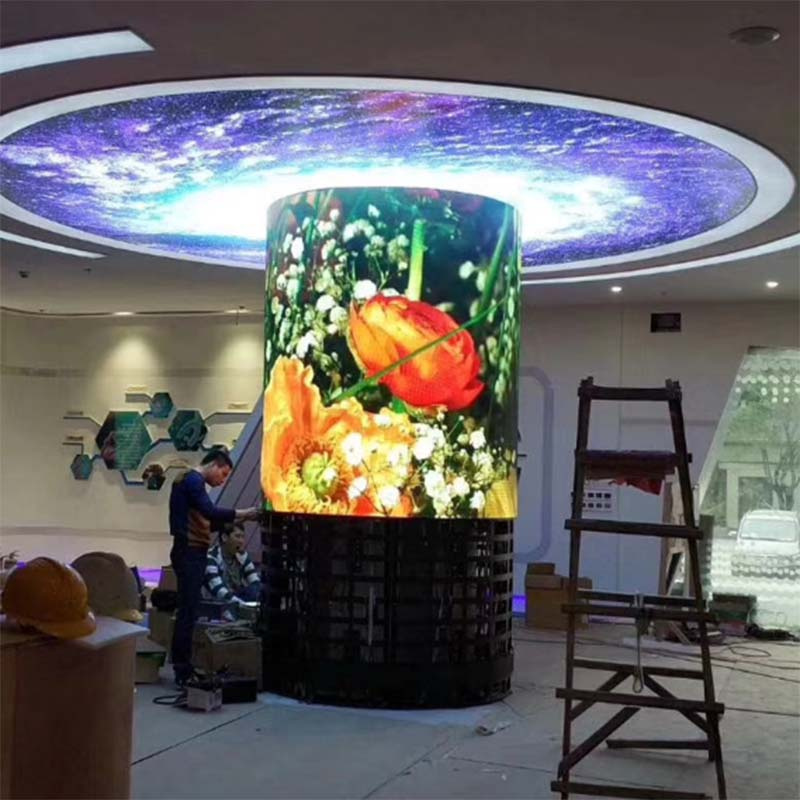
Choose pixel pitch from screen size and content
Pixel pitch is the center-to-center spacing between neighboring pixels, measured in millimeters. A smaller pitch fits more pixels into the same area, but it does not automatically improve a project viewed from a long distance. Start with the nearest viewer, the physical screen size and the smallest text or detail the audience must read. Then check the native resolution of a cabinet layout and test representative content at the intended distance.
Resolution estimate: pixels across ≈ screen width in millimeters ÷ pixel pitch in millimeters. A 4,000 mm-wide P2.5 wall is approximately 1,600 pixels across before cabinet-size rounding. Final dimensions must match the selected modules and cabinets. Viewing-distance shortcuts can help narrow options, but there is no single universal “minimum distance” formula; eyesight, content and acceptable pixel visibility change the result. See our pixel pitch guide for more worked examples.
| Project situation | Pitch direction to evaluate | Key validation |
|---|---|---|
| Meeting room or close-viewed lobby | Fine pitch, often around P1–P2 | Small text, native resolution and camera performance |
| Retail wall or stage backdrop | Mid-range pitch, often around P2–P4 | Nearest audience position and content legibility |
| Large outdoor sign | Larger pitch may be appropriate | Viewing distance, daylight brightness and local rules |
These are starting points, not product guarantees. The fine-pitch LED range and each product datasheet show the configurations available for closer viewing.
SMD, GOB, COB and DIP: what changes?
Standard SMD mounts packaged LEDs on the module surface. It offers broad product choice and familiar module-level service procedures, although the exposed surface can be vulnerable to impact during handling. GOB adds a protective resin layer over an SMD module; the layer may change cleaning and repair procedures. COB bonds chips directly to the board and encapsulates them, often for fine-pitch, close-viewed applications. DIP uses through-hole LED packages and is associated mainly with larger-pitch legacy or specialized outdoor signs.
None of these labels alone establishes brightness, image quality, IP rating, price or repairability. Compare specific models and ask how failed pixels or modules are serviced. For a fuller technology comparison, read SMD vs. COB vs. GOB; for an added protective surface, review the GOB LED display options.
Indoor, outdoor and rental SMD specifications
Indoor screens are usually specified for controlled temperatures and lower ambient light. Outdoor screens need suitable daylight brightness, environmental sealing, drainage, temperature management and a structure designed for site loads. Check the tested front and rear IP ratings separately: a front-rated IP65 panel does not mean every connector or rear access door has the same rating. IP65 denotes dust-tight protection and resistance to water jets under the relevant test conditions; it does not certify an installation against flooding, hurricanes or corrosion.
For coastal or high-wind sites, request a project-specific assessment of materials, coatings, fixings and structural loads. For rental, prioritize cabinet weight, locks, alignment, service speed and spare modules. The rental LED display range provides indoor and outdoor starting points, but the selected model’s datasheet should govern the final specification.
Installation, maintenance and lifetime cost
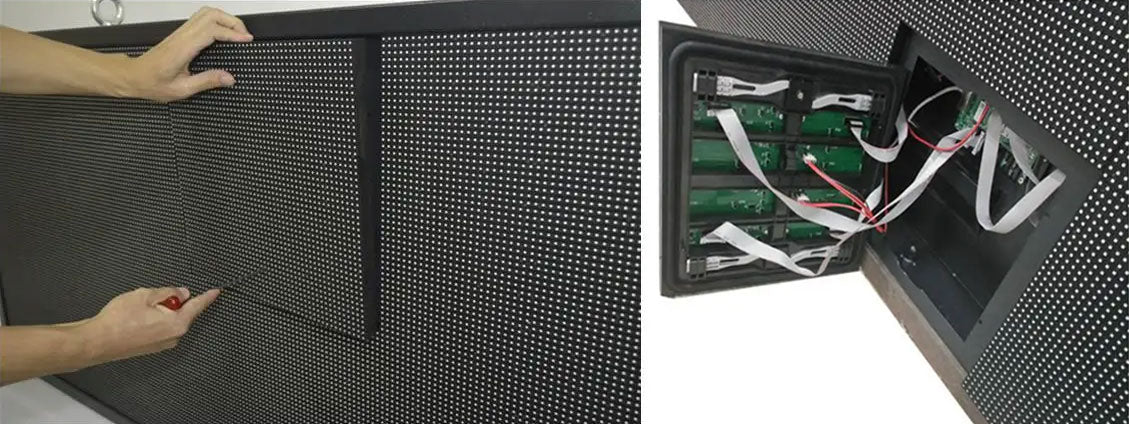
Plan the supporting structure, cable routes, ventilation, access clearance and safe isolation before ordering the screen. Electrical and structural requirements depend on the jurisdiction and the complete system; have qualified local professionals check the applicable codes and permits. A product label or generic wiring rule does not replace a site-specific design.
Ask the supplier for average and maximum power at the intended brightness, plus controller and cooling loads. A useful energy estimate is: annual kWh = average operating kW × hours per day × operating days per year. For illustration only, a 10 m² display averaging 180 W/m² for eight hours on 300 days uses 1.8 kW × 8 × 300 = 4,320 kWh per year. Multiply that figure by your current electricity tariff, then add installation, structure, transport, maintenance, spares and any software or service costs. Actual consumption changes with content and brightness. Request a current, itemized quotation rather than relying on a fixed cost-per-square-meter figure.
Maintenance should follow the product manual and local conditions. Inspect for failed pixels, loose connections, blocked airflow, water ingress and damaged seals at intervals suited to usage. Keep approved cleaning instructions and spare modules on hand. Individual SMD packages may be reworked in a workshop, but on-site repair usually depends on the module and cabinet design; confirm the supplier’s actual service process and warranty terms.
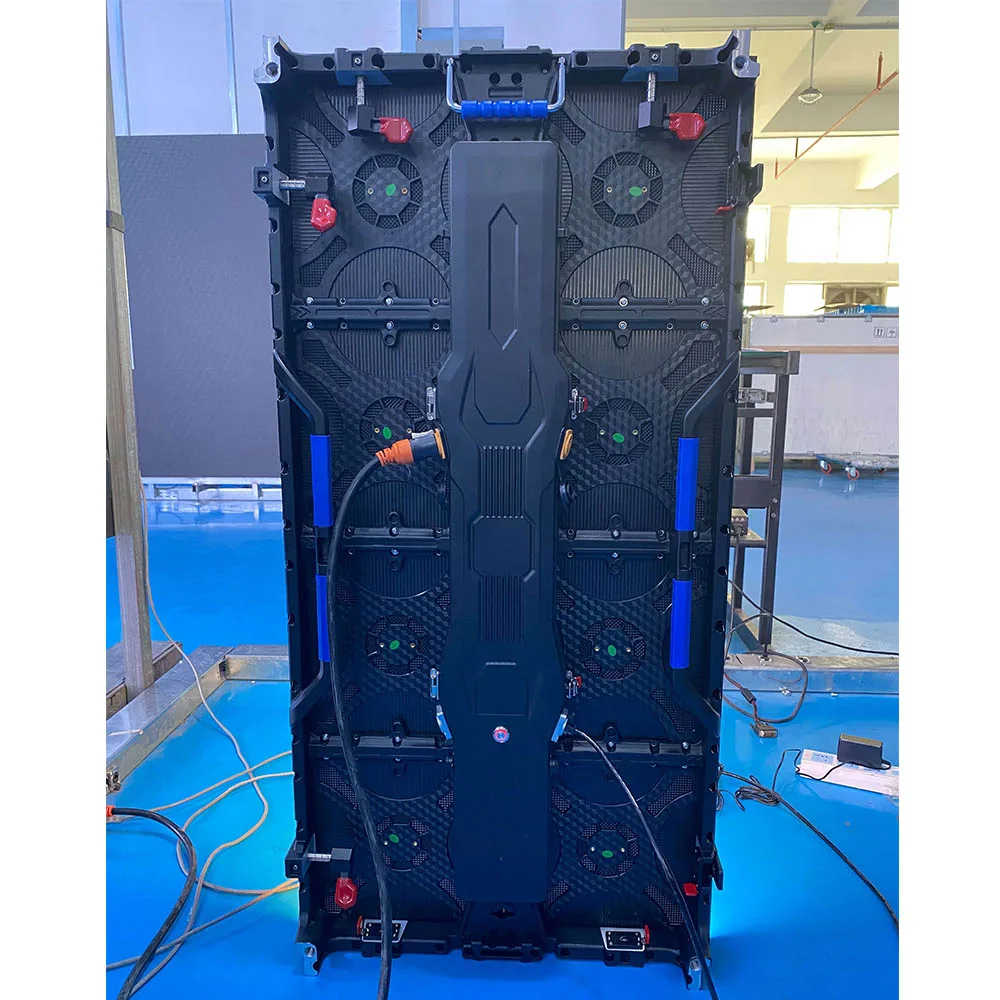
What to send for an accurate SMD display proposal
- Installation location, indoor or outdoor, and photos or drawings of the mounting area.
- Approximate screen width and height, nearest viewing distance, and sample content.
- Operating hours, ambient light, camera use and required brightness or refresh performance.
- Available power, preferred front or rear service access, and environmental constraints.
- Delivery destination, installation scope and any required local certifications.
With these details, the team can compare suitable cabinet and pitch options and prepare a current proposal. Contact Highcolor LED to discuss your project.
Frequently asked questions
Is SMD always cheaper than COB?
No. Price depends on pitch, area, LED package, cabinet, controller, protection, order volume and service scope. Compare current like-for-like quotations and lifetime costs.
What viewing distance works for a P2.5 SMD wall?
There is no universal minimum. Test the intended content at the nearest audience position, and calculate whether the chosen wall size supplies enough native pixels for its smallest text and imagery.
Does an outdoor SMD screen need IP65?
IP65 at the exposed face is a common target for outdoor products, but requirements depend on exposure and installation. Verify the tested ratings for the front, rear and connections of the selected cabinet.
Can a damaged SMD pixel be repaired?
Often, but the practical method depends on the module. Suppliers may replace a module on site and repair the LED package in a workshop. Confirm spare availability, access and warranty coverage.
Can SMD be used for temporary event screens?
Yes. Many rental cabinets use SMD modules. Choose a cabinet designed for repeated assembly, transport and the venue’s indoor or outdoor conditions.
Get Our Latest Products & News
Subscribe to our newsletter for fresh product launches, industry insights, and exclusive offers tailored for global partners. Stay ahead with updates that matter to your business!
Planning an LED display project?
Share a few details about your project and we’ll get back to you with a suitable solution and quote.