Flexible LED Screen: Full Technical & Buying Guide 2026
What Is a Flexible LED Screen and Can LED Screens Bend?
A flexible LED screen is a lightweight display system built with bendable LED modules, soft printed circuit boards, and silicone or rubber back casings.
Unlike standard rigid LED walls, this hardware is engineered to conform to non-flat surfaces without damaging internal lamp beads or circuitry.
Many buyers ask if LED screens can fold completely like paper, and the answer requires clear technical context.
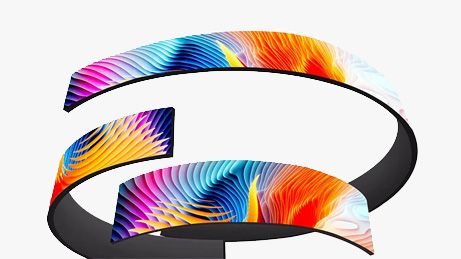
A flexible LED screen cannot fold sharply or crease freely. Instead, each flexible LED panel is rated for a fixed minimum bend radius, measured in millimeters.
Within this safe radius, technicians can assemble panels into smooth curved walls, cylindrical pillars, wavy backdrops, or irregular exhibition booth shapes.
This core design separates flexible LED screen products from rigid LED displays, opening unique display opportunities unavailable to flat screen systems.
Flexible LED Screen Types, Sizes, Pixel Pitch, and Resolution Options
The flexible LED screen market features distinct product lines built for separate environments and visual goals.
Key categories include opaque flexible LED screen, transparent flexible LED screen, LED mesh flexible panels, magnetic flexible LED modules, indoor fixed flexible LED display, weather-rated outdoor flexible LED screen, and quick-assembly rental flexible LED screen.
Custom-shaped flexible LED panels are also available for one-of-a-kind architectural builds.
Pixel pitch stands as the most critical specification dictating resolution, viewing distance, and cost for any flexible LED screen. Smaller pitch values deliver sharper close-up visuals, while larger pitches suit far-view installations with tighter budget limits. Module dimensions align with pitch grades, and each variant carries fixed bend radius, brightness, refresh rate, transparency, IP protection, weight, and intended use cases.
Opaque indoor flexible LED screen typically ranges P1.25 to P3, with bend radii from 300mm to 800mm, brightness of 400–600 cd/㎡, and 3840Hz refresh rates. Transparent flexible LED screen trades full opacity for light passage, with transparency rates from 30% up to 80%, ideal for glass facade integration. Outdoor flexible LED screen upgrades to IP65 or IP66 ratings, boosted brightness (5000+ cd/㎡), and reinforced waterproof soft casings. Magnetic flexible LED modules simplify front-side maintenance with magnetic attachment frames, popular for retail and temporary event builds.
Every flexible LED screen size is fully modular, meaning installers can expand or trim total display dimensions to match exact wall, pillar, or booth measurements without wasted panel stock.
Flexible LED Screen Applications: Curved Walls, Cylinders, Retail, Stages, and Facades
The adaptable build of a flexible LED screen unlocks dozens of high-impact commercial and public display applications that rigid screens cannot accommodate. Curved interior walls remain one of the most common deployments for premium brand spaces, from luxury retail flagship stores to corporate exhibition hall lobbies.
Cylindrical pillar wrapping represents another top use case. Shopping mall atriums, auto showrooms, and hotel foyers frequently wrap support columns in seamless flexible LED screen to turn structural fixtures into dynamic advertising and brand storytelling surfaces. Event and stage rental markets rely heavily on rental flexible LED screen for concert backdrops, festival stages, and wedding curved visual walls, where fast setup and tear-down are mandatory.
Museums deploy custom contoured flexible LED screen for immersive exhibit zones, matching screen shape to sculptural display layouts. Architectural facades use weatherproof transparent flexible LED screen to overlay dynamic graphics on building glass without blocking natural daylight. Additional steady demand comes from airport lounges, control room curved visualization walls, and trade show exhibition booth custom contours.
Small case study one: A fashion retail flagship installed a 6m wide curved flexible LED screen with P2 pixel pitch, 500 cd/㎡ brightness, wall-mounted fixed installation, to showcase runway footage with wraparound visual depth. Case study two: A touring music production used 12m² rental flexible LED screen (P2.5, bend radius 500mm) to build a full circular stage backdrop, assembled and disassembled within 4 hours per venue stop.
Before requesting flexible LED screen pricing, buyers must outline their exact surface shape, mounting surface material, indoor or outdoor placement, and minimum viewing distance to receive accurate panel and structural recommendations.
Installation Requirements, Controllers, Maintenance, and Lifespan
Successful flexible LED screen performance starts with matching installation hardware to the mounting surface geometry. Curved drywall or concrete walls require precise radius measurements and custom lightweight steel support frames to hold flexible LED panels evenly without uneven tension. Full cylinder wraps demand precise circular dimension calculations to split the flexible LED screen into equal vertical panel strips for gap-free wrapping.
Outdoor facade flexible LED screen adds critical extra requirements: full IP-rated waterproofing, passive or active thermal heat dissipation, wind load engineered support frames, and sealed cable routing to block moisture ingress. Magnetic metal wall surfaces work seamlessly with magnetic flexible LED modules, though installers must verify wall flatness, load-bearing capacity, and rear access space for maintenance checks.
Controller compatibility directly impacts flexible LED screen visual output. Industry-standard control systems including Novastar, Colorlight, and Linsn fully support flexible LED panel layouts. Buyers must coordinate with manufacturers to match receiving card counts, refresh rate settings, 16-bit grayscale tuning, and video processor resolution scaling to their content source signals. Mismatched controller hardware causes stuttering, color banding, or uneven brightness across curved flexible LED screen surfaces.
Routine maintenance directly extends flexible LED screen operational lifespan, which averages 60,000 to 80,000 hours under normal indoor running conditions. Front-service flexible LED modules allow single lamp bead or IC replacement without full screen disassembly, a huge advantage over rear-access rigid walls. Operators should schedule quarterly color calibration, dust removal from silicone casings, and power cable connection inspections. Quality flexible LED screen manufacturers provide multi-year warranties and stocked spare module inventories to minimize downtime if components fail.
Power consumption varies by pixel pitch and brightness setting; dimming flexible LED screen during low-traffic hours cuts long-term operational electricity costs significantly for fixed indoor installations.
Flexible LED Screen Price, Buying Guide, and Manufacturer Checklist
Many buyers make the mistake of judging flexible LED screen value solely by per-square-meter pricing. Final total cost depends on a layered list of variables: pixel pitch grade, indoor versus outdoor build, calibrated brightness level, minimum bend radius tolerance, transparency percentage, IP protection rating, structural support frames, included control system packages, freight shipping, professional installation labor, and post-sale warranty terms.
To frame budget comparisons, it helps to contrast flexible LED screen against competing display technologies. Rigid standard LED panels carry lower base square-meter cost but cannot form curved shapes. OLED curved displays have ultra-thin profiles but suffer shorter lifespans and far higher price tags for large formats. LCD video walls are low-cost but limited to gentle wide curves only, with unavoidable visible bezels. Projection mapping works for organic shapes but struggles with bright ambient light, unlike flexible LED screen which delivers crisp visuals in well-lit spaces.
A reliable buying process follows a structured manufacturer vetting checklist, critical to avoiding low-quality flexible LED screen with exaggerated bend ratings or weak silicone framing. When evaluating suppliers across Alibaba OEM factories, local resellers, and established branded manufacturers, always request physical flexible LED screen sample panels first to test bend performance, color uniformity, and build quality.
Valid credentials include third-party aging test reports, CE, FCC, and RoHS certification, documented past project case studies matching your application type, clear multi-year warranty paperwork, guaranteed spare module stock ratios, and fast technical support response windows. Reputable factories will also supply full structural CAD drawings and controller configuration guides pre-sale to eliminate installation misalignment risks after purchase. Avoid vendors that cannot provide detailed technical schematics or refuse on-site installation support coordination.
Ready to get an accurate customized quote for your flexible LED screen project? Before reaching out to suppliers, compile these key project details to receive precise pixel pitch, structural, and control system recommendations: exact indoor or outdoor placement, minimum and maximum audience viewing distances, total target screen dimensions, required bend radius or full cylinder measurements, native resolution requirements for your video content, input signal source type, fixed permanent or temporary rental deployment, and target budget range. Note if you need transparent, magnetic, or fully custom contoured flexible LED screen panels for unique architectural shapes.
Share site photos, architectural blueprints, or wall radius measurements with technical sales teams. This information lets engineers design a tailored flexible LED screen layout rather than providing generic per-meter pricing that may not fit your space constraints or visual goals.
Preguntas frecuentes
¿Qué es una pantalla LED flexible?
A flexible LED screen is a bendable modular display built with soft PCB boards and silicone casings, engineered to mount onto curved, cylindrical, or irregular flat surfaces within a set safe bend radius for seamless contoured visuals.
Can LED screens bend?
Only purpose-built flexible LED screen panels can bend within their rated minimum radius. Standard rigid LED display panels cannot curve without permanent circuit and lamp bead damage.
How much does a flexible LED screen cost?
Pricing varies widely based on pixel pitch, IP rating, transparency, control systems, installation frames, and project scale. Small indoor flexible LED screen carries higher per-square-meter cost than large volume outdoor builds due to specialized soft component manufacturing.
What pixel pitch should I choose for a flexible LED screen?
Select smaller pitches (P1.25–P2) for viewing distances under 4 meters for sharp close-up detail. P2.5–P3 flexible LED screen works for 4–8 meter viewing ranges, while P4+ suits far-view architectural facade builds.
Can a flexible LED screen be used outdoors?
Yes, outdoor-rated flexible LED screen features fully sealed IP65/IP66 casings, high-brightness lamp beads, reinforced waterproof cabling, and heat dissipation frames to withstand rain, sun, and temperature shifts.
Is a flexible LED screen better than a rigid LED display?
Neither is universally superior. Flexible LED screen solves curved and custom shape needs, while rigid LED panels offer lower cost and simpler maintenance for standard flat wall installations.
How long does a flexible LED screen last?
Premium indoor flexible LED screen delivers 60,000–80,000 hours of operational lifespan with proper maintenance; outdoor flexible LED screen averages 50,000–70,000 hours due to harsher environmental exposure.
How do I choose the best flexible LED screen manufacturer?
Vet suppliers via sample testing, official certification documents, verified project case histories, clear warranty terms, available spare parts, full technical drawing support, and responsive after-sales engineering assistance.
Entérate de nuestros últimos productos y novedades
Suscríbete a nuestro boletín para recibir información sobre nuevos lanzamientos de productos, análisis del sector y ofertas exclusivas diseñadas para socios de todo el mundo. ¡Mantente a la vanguardia con las novedades que importan para tu negocio!